Small Changes That Can Improve Your Dog’s Quality of Life

When we think about improving our dog’s quality of life, it’s easy to imagine expensive toys, luxury beds, or long shopping lists.
But after spending time reading advice from veterinarians, dog trainers, and experienced owners, one thing became very clear: the biggest improvements often come from the smallest changes. None of these changes are dramatic on their own, but together they create a happier, healthier everyday life.
In this guide, we’ll look at small, practical ways to improve your dog’s quality of life.
Table of Contents
Let Them Stop and Smell the World
One thing many of us are guilty of is treating walks like a mission. We have somewhere to go, a route to follow, and a pace we’d like to keep. Meanwhile, our dog is trying to stop every few steps to sniff another patch of grass.
It turns out they’re not trying to slow us down. They’re simply experiencing the walk in the way dogs naturally do.
While we take in the world with our eyes, dogs rely on their noses. Every scent tells them who’s been there, what happened recently, and what’s changing around them.
Instead of gently pulling them away every time they stop, try allowing them a little longer to investigate. You might find that a slower walk leaves them just as content as a much longer one.
Try this
- Let your dog choose the pace for part of the walk.
- Explore a different route once in a while.
- Visit places with new smells instead of always taking the same path.
Make Everyday Moments More Interesting
Enrichment doesn’t always have to come from a new toy.
Dogs are naturally curious, and even ordinary things around the house can become exciting when they’re allowed to explore them.
A delivery box that just arrived. The grocery bags you carried home. Your suitcase after a weekend away. Even the mail. These everyday items are full of unfamiliar scents, and that makes them surprisingly interesting to your dog.
Taking a minute to let your dog investigate them can be a simple kind of enrichment that costs nothing, but adds a little more variety to an ordinary day.
Try this
- Let your dog sniff new delivery boxes before you recycle them.
- Offer grocery bags or suitcase smells as a short enrichment moment.
- Pause for a minute and let them explore the mail or other safe new scents.
Exercise Their Brain, Not Just Their Legs
A tired dog isn’t always the one that walked the furthest. Sometimes it’s the one that spent ten minutes solving a puzzle, learning a new trick, or searching for hidden treats around the house.
Mental exercise is something we often underestimate, but it can be just as rewarding as physical activity. The nice thing is that training doesn’t have to feel like training.
Ask for a sit before putting the food bowl down. Practice “leave it” while making dinner. Hide a few treats in another room and encourage your dog to find them.
Some dogs love puzzle feeders, while others get just as excited searching for treats hidden in a snuffle mat or following a scent trail around the garden.
Small activities like these keep their minds engaged and give them something meaningful to work on.
Try this
- Ask for a sit before putting the food bowl down.
- Practice “leave it” during everyday routines like cooking.
- Hide treats around the house, use a snuffle mat, or try a puzzle feeder.
Make Your Home Easier to Move Around
This is something many owners only think about when their dog starts getting older. Slippery floors can make dogs hesitant to move, especially larger breeds or those with stiff joints.
You might notice them taking corners more slowly or avoiding certain rooms altogether. Adding a few runners or washable rugs can make a surprising difference.
Many owners notice their dogs move more confidently almost immediately, simply because they no longer have to worry about slipping. It’s one of those upgrades that’s easy to overlook until you see the difference for yourself.
Learn to Read What They’re Telling You
Dogs communicate with us all day long, we just don’t always notice.
Once you start paying attention to these little signals, it becomes much easier to understand how your dog is feeling before they ever bark, growl, or become overwhelmed. Learning their body language doesn’t just improve training; it strengthens the relationship you have with them.
Rotate Toys Instead of Buying More
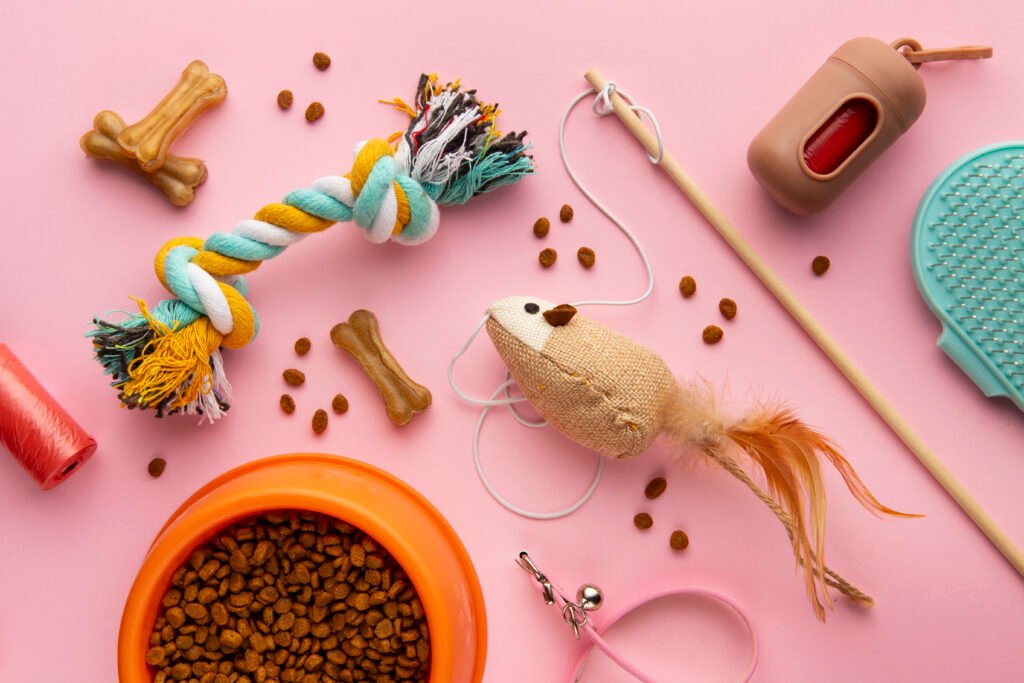
It’s tempting to keep buying new toys, but sometimes the simplest solution is to put a few away.
Dogs often lose interest when every toy is always available.
Try keeping only four or five favorites out at a time and storing the rest in a basket. Every week or two, swap them around.
That old toy they ignored a month ago suddenly feels brand new again. Not only does it keep playtime exciting, but it also helps reduce clutter around the house.
Don’t Skip the Little Health Checks
Most of us notice when something is obviously wrong, but many health problems begin with very small changes that are easy to miss.
A yearly veterinary check-up isn’t just for vaccinations. It’s an opportunity to catch small issues before they become bigger ones and to make sure your dog is staying healthy as they grow older.
Keeping up with routine care, maintaining a healthy weight, and staying on top of dental health all play a part in helping dogs enjoy a longer, more comfortable life.
If you’d like to learn more about building healthy daily habits, the guide from Vets Love Pets on dog health offers a helpful overview of preventive care and everyday wellness.
Products That May Help