Pet Friendly Plants That Make Your Home Feel Stylish and Alive
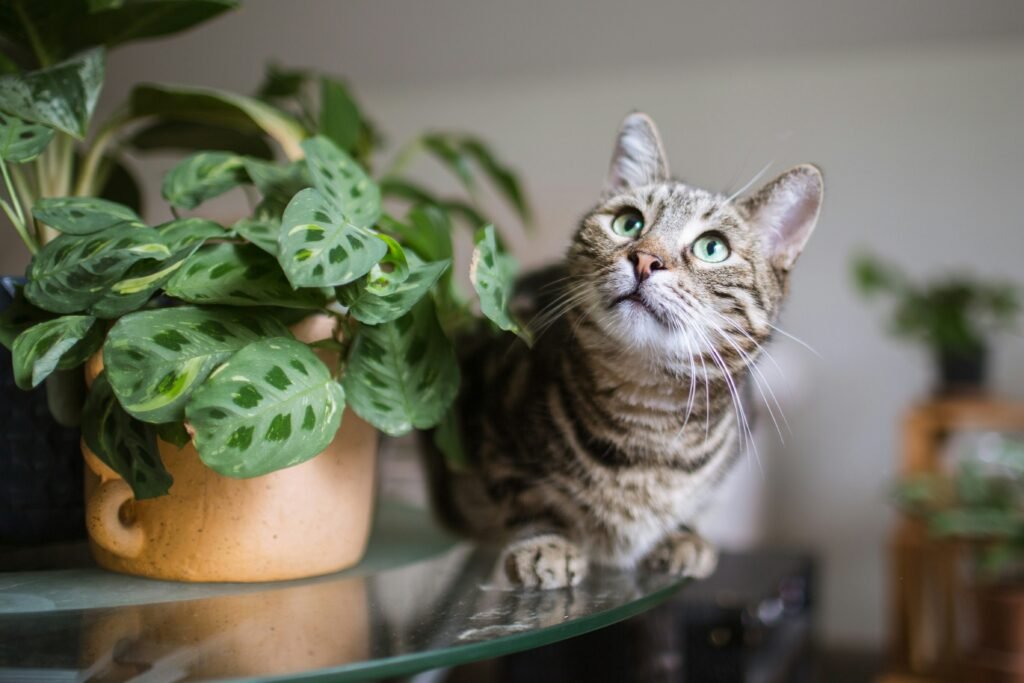
Plants can instantly make a home feel warmer, calmer, and more inviting. However, many of the most popular houseplants aren’t actually safe for curious cats and dogs. In this guide, we’ll share our favorite pet friendly plants, common toxic varieties to avoid, stylish alternatives, and simple tips for decorating with greenery in a pet-friendly home.
Table of Contents
What Makes a Plant Pet Friendly?
Not all houseplants are created equal when it comes to pet safety. A pet-friendly plant is one that is considered non-toxic to cats and dogs if accidentally nibbled or touched. While it’s still best to discourage pets from chewing on any plant, choosing non-toxic varieties can provide extra peace of mind for pet owners.
What to Look For
- Non-toxic to cats and dogs
- Easy to care for indoors
- Suitable for your home’s light conditions
- Safe placement away from heavy foot traffic
- Leaves and stems that won’t easily shed or create mess
Popular Houseplants That Are NOT Pet Friendly
Many plants frequently featured in interior design magazines and Pinterest inspiration boards can actually be harmful to pets. If you share your home with a curious cat or dog, these are some common plants worth avoiding.
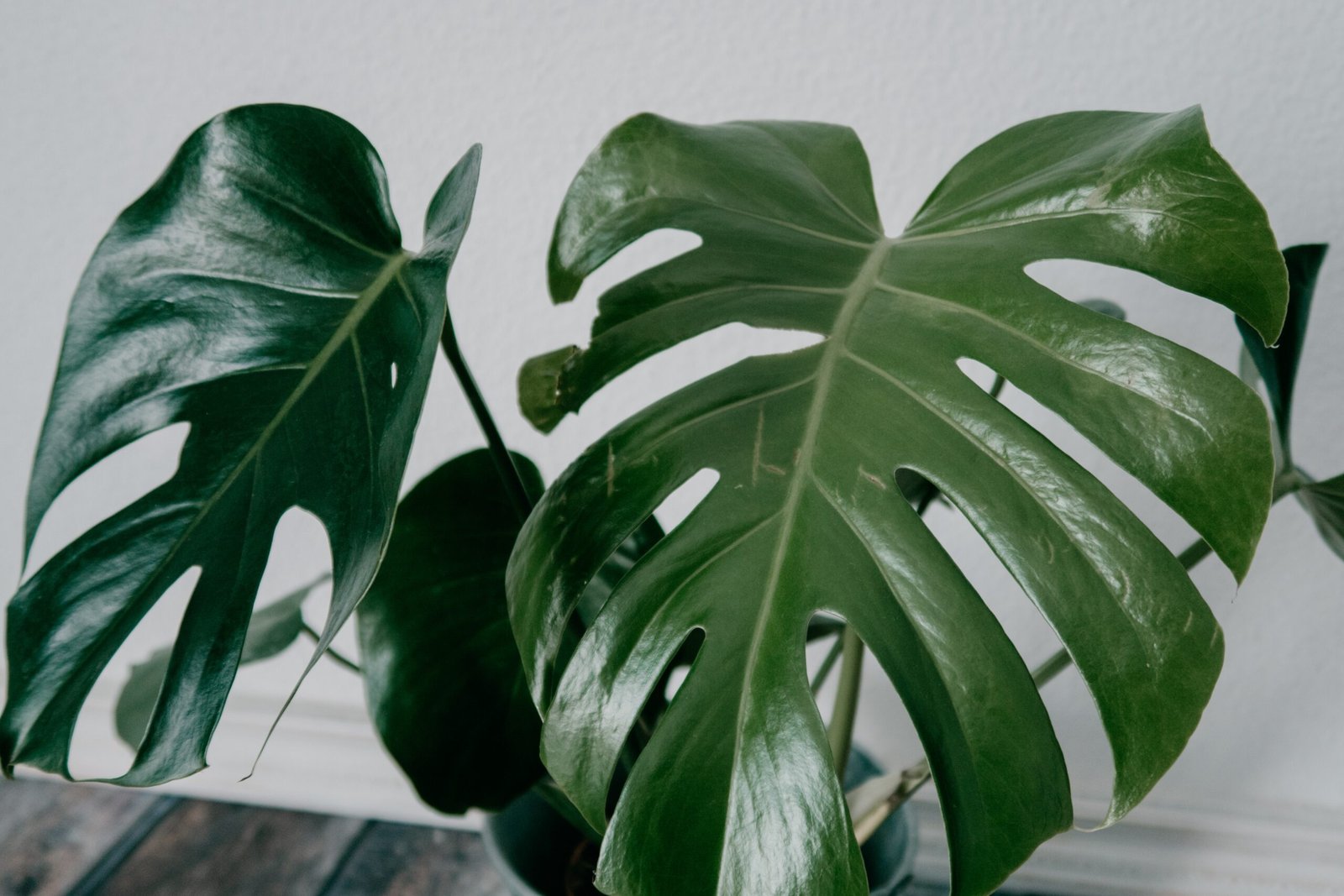
Monstera
Monstera is toxic to cats and dogs because it contains insoluble calcium oxalates, which can cause mouth irritation and vomiting. Its dramatic leaves make it popular in decor, but it is best kept away from pets.
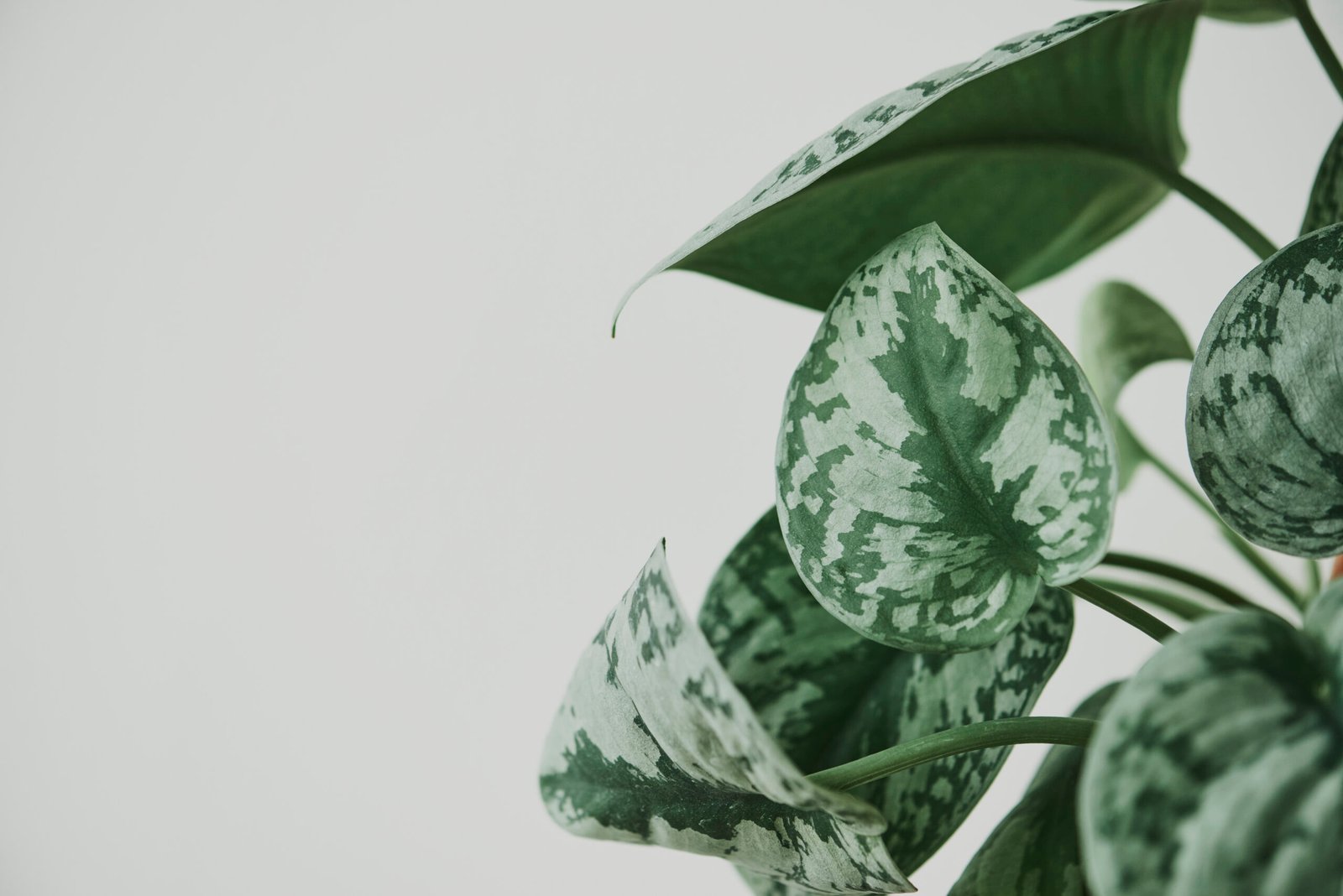
Pothos
Pothos is one of the most common indoor trailing plants, but it is toxic to pets if chewed. It can cause oral irritation and digestive upset, so it is not a safe choice for curious cats or dogs.
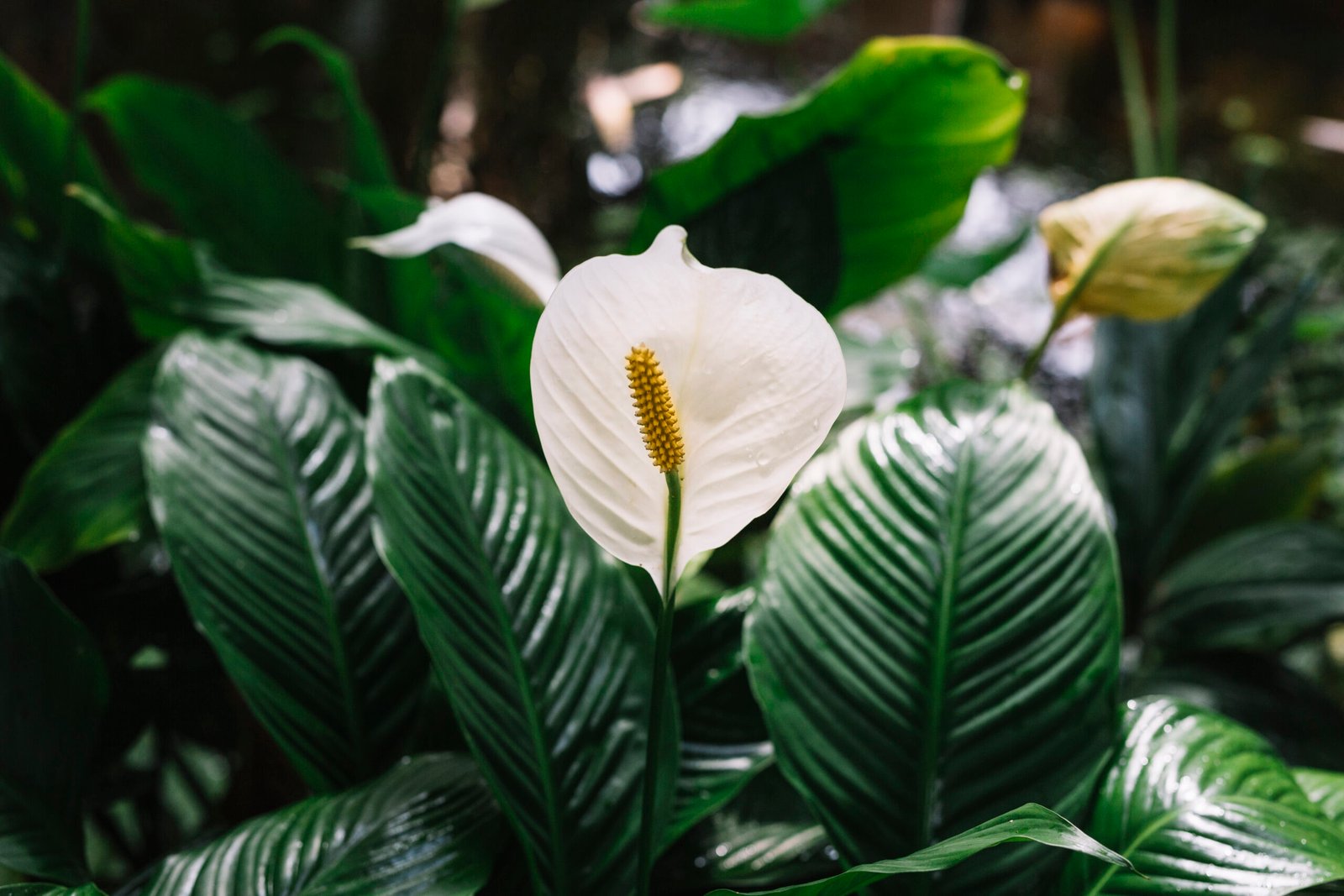
Peace Lily
Peace lilies may look elegant, but they can cause painful mouth irritation, drooling, and vomiting in pets. Their classic look makes them tempting for home styling, though they are not pet-safe.
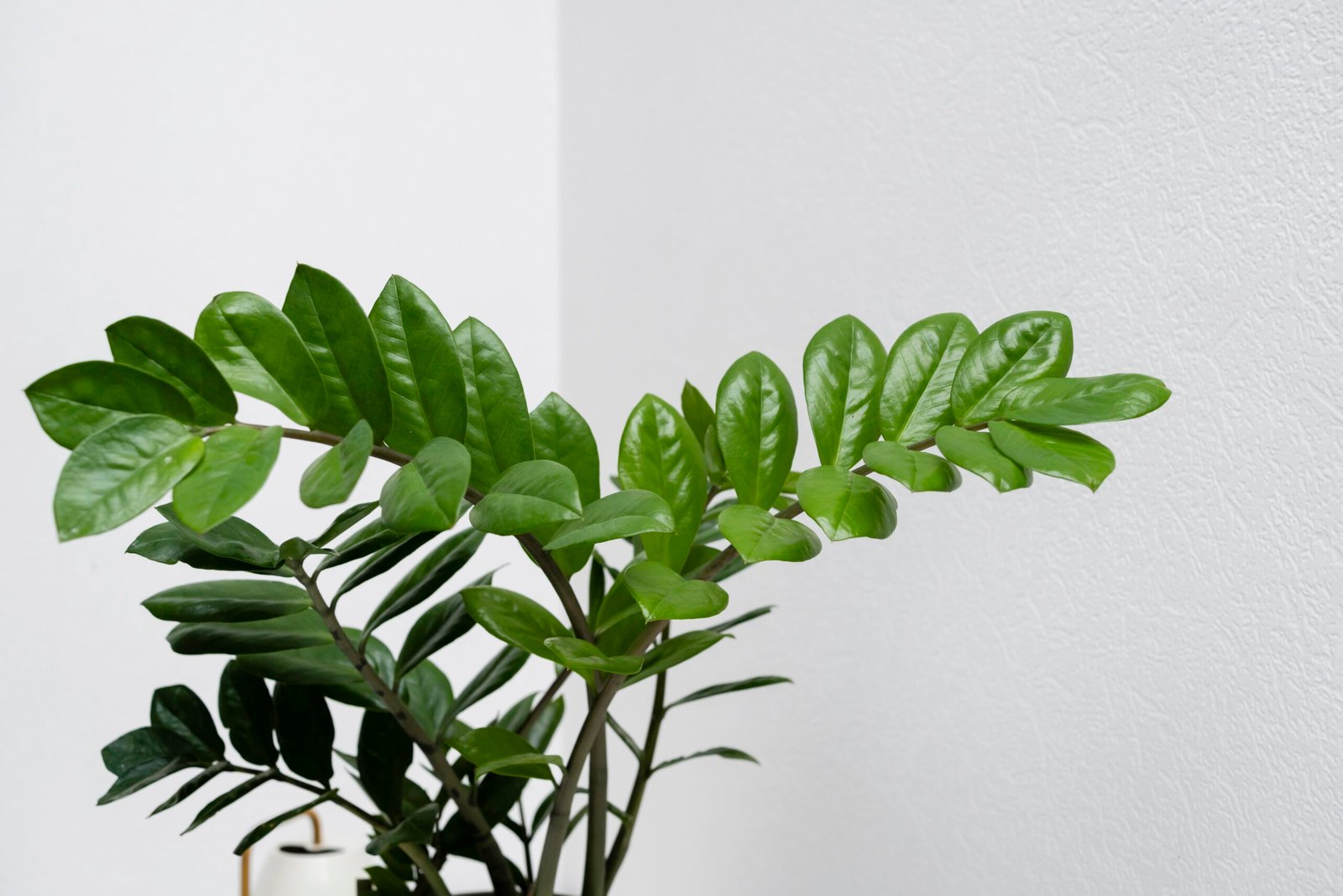
ZZ Plant
ZZ plants are low-maintenance and stylish, but they are toxic to cats and dogs if ingested. They can cause irritation and stomach upset, which makes them a poor fit for pet-friendly homes.
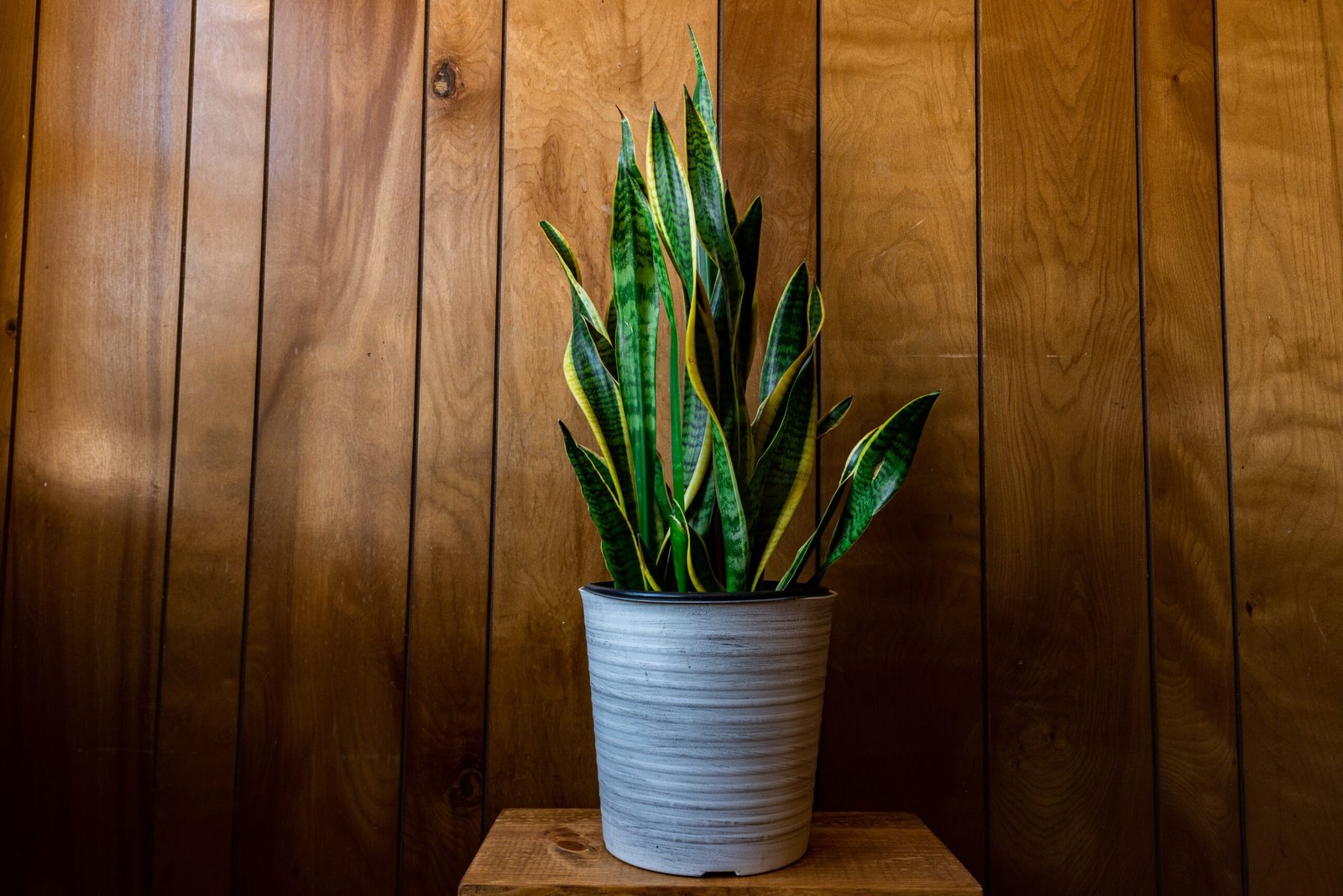
Snake Plant
Snake plants are loved for their clean, modern shape, but they are toxic to pets. If eaten, they can cause nausea, vomiting, and other digestive symptoms.
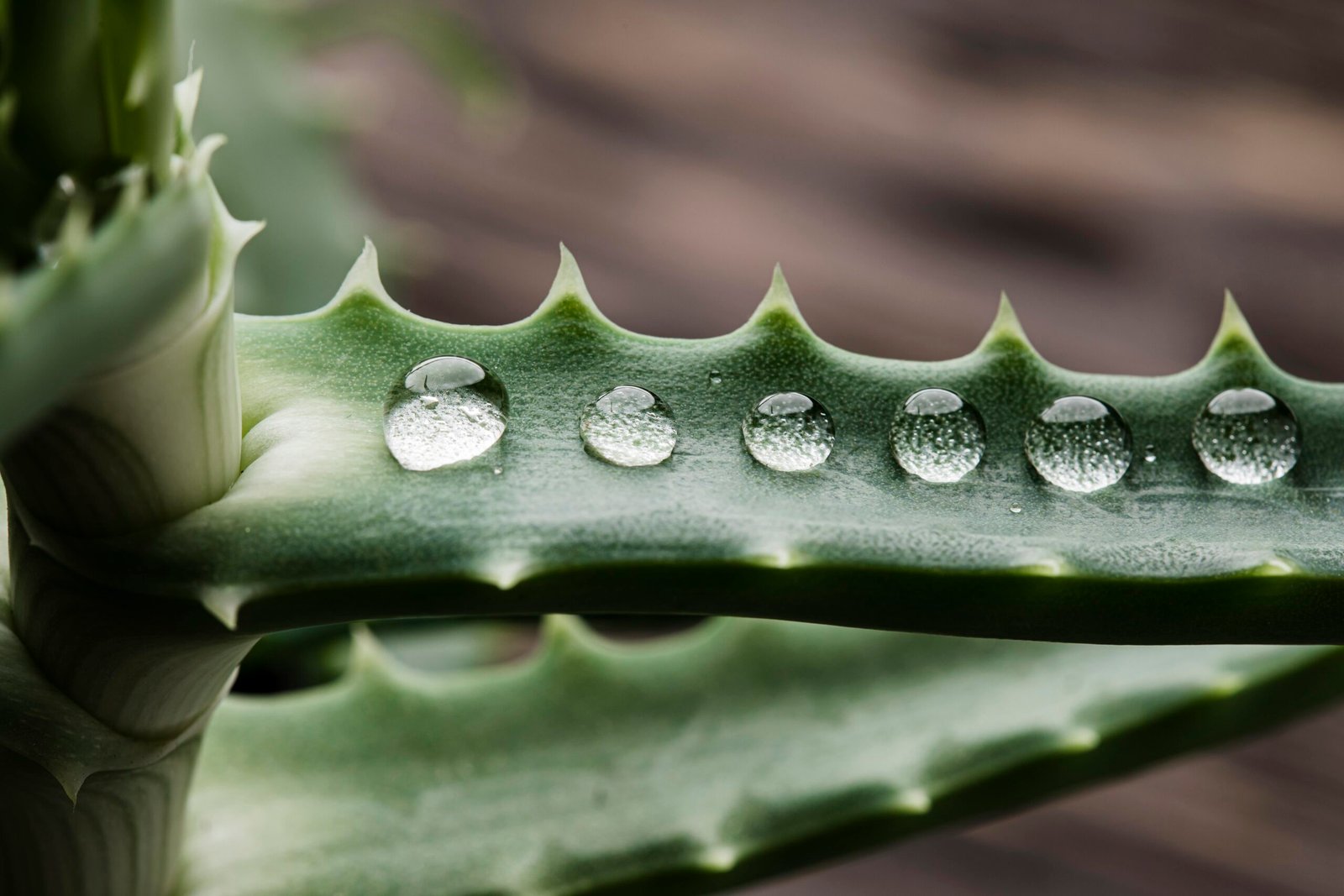
Aloe Vera
Aloe vera is toxic to cats and dogs and can lead to vomiting, lethargy, and diarrhea if chewed. Even though it is often kept for its practical uses, it should be avoided in homes with pets.
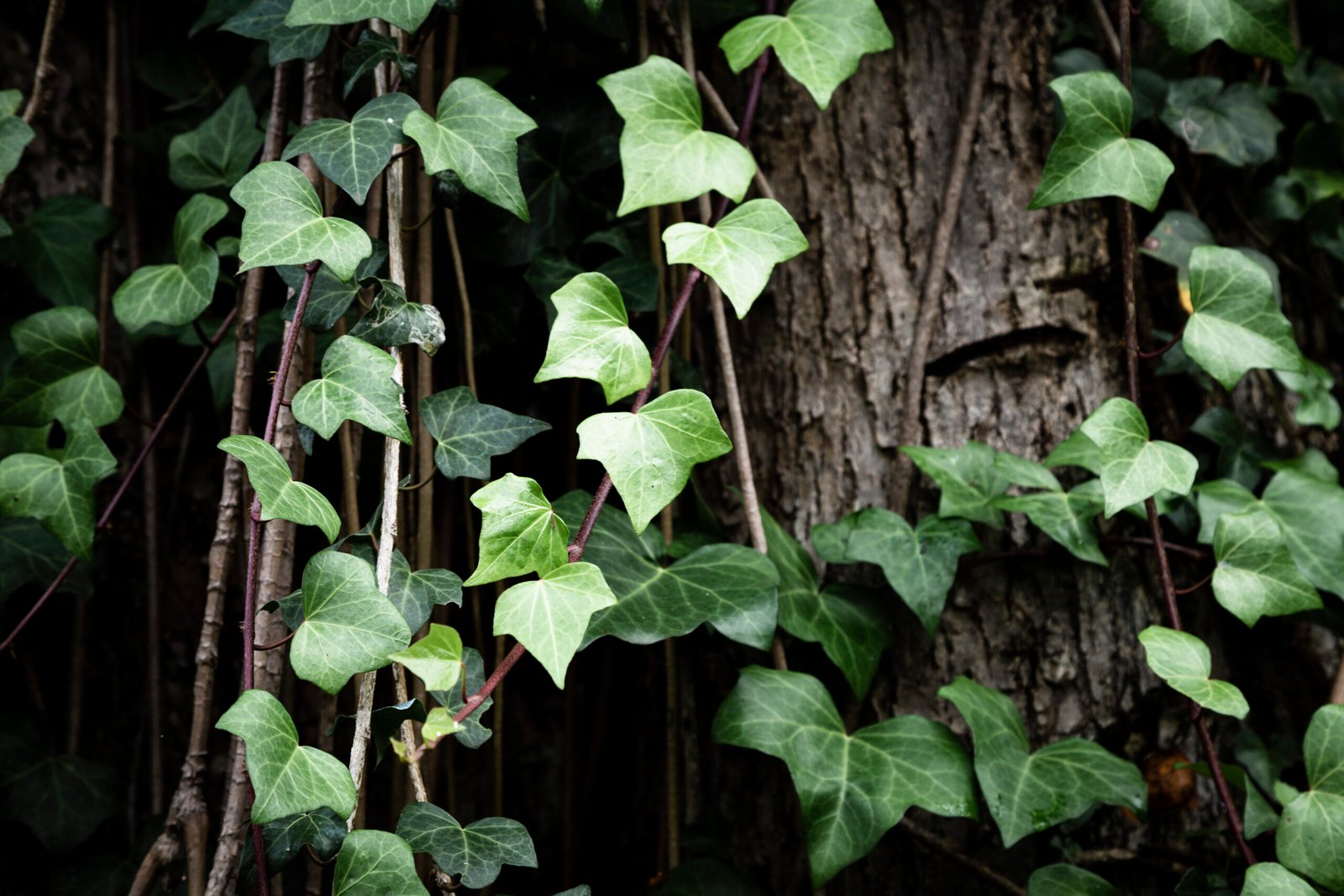
English Ivy
English ivy can cause digestive upset and irritation in pets if they nibble on it. Its trailing look is beautiful, but safer alternatives are better for homes with cats and dogs.
Stylish Alternatives to Common Toxic Houseplants
Love the look of popular houseplants but want something safer for your pets? These alternatives offer a similar aesthetic while being better suited to pet-friendly homes.
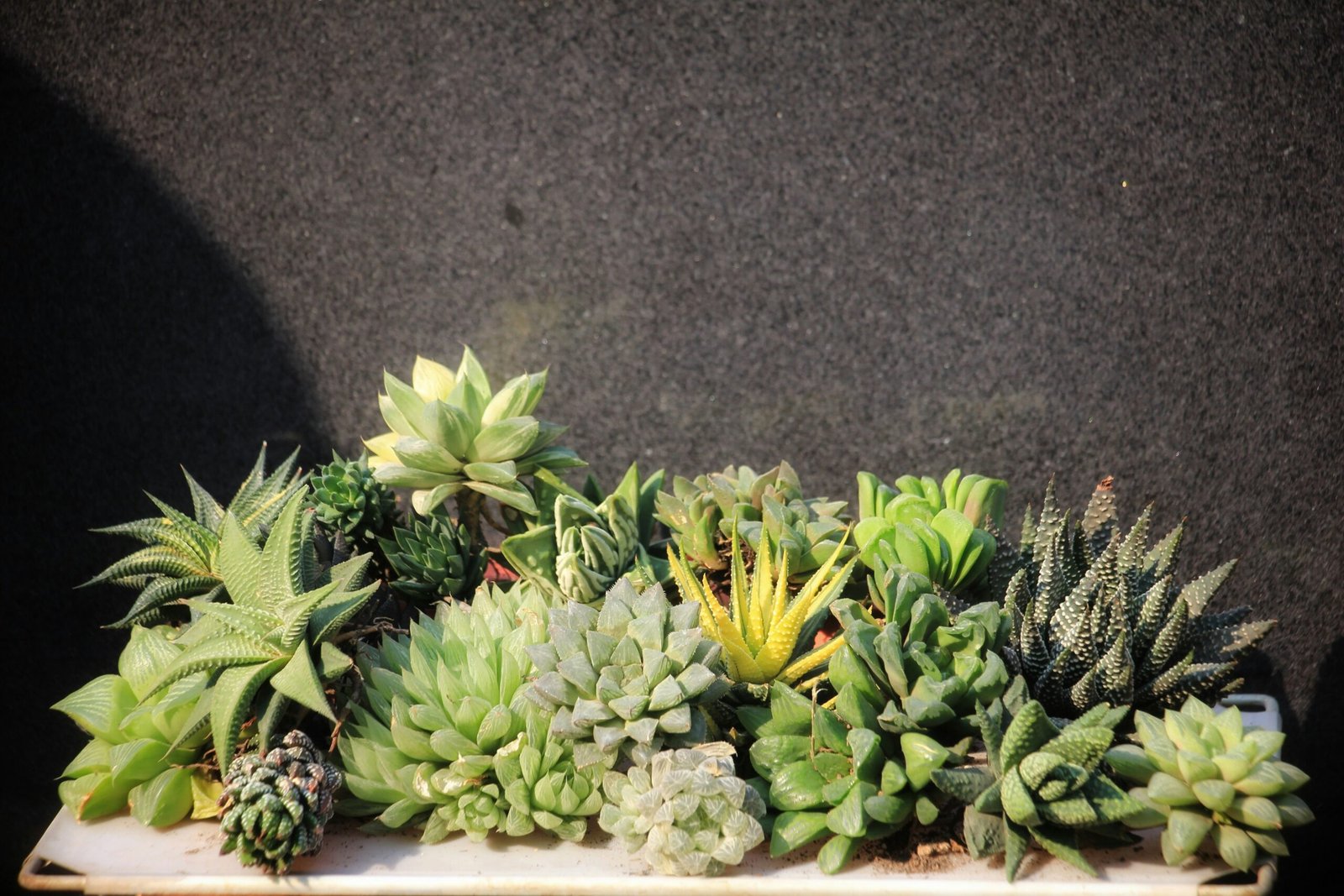
Haworthia
Haworthia is a pet-safe succulent with a neat, sculptural look that works well in small spaces. It is non-toxic to cats and dogs, making it a great choice when you want a low-maintenance plant with clean lines.
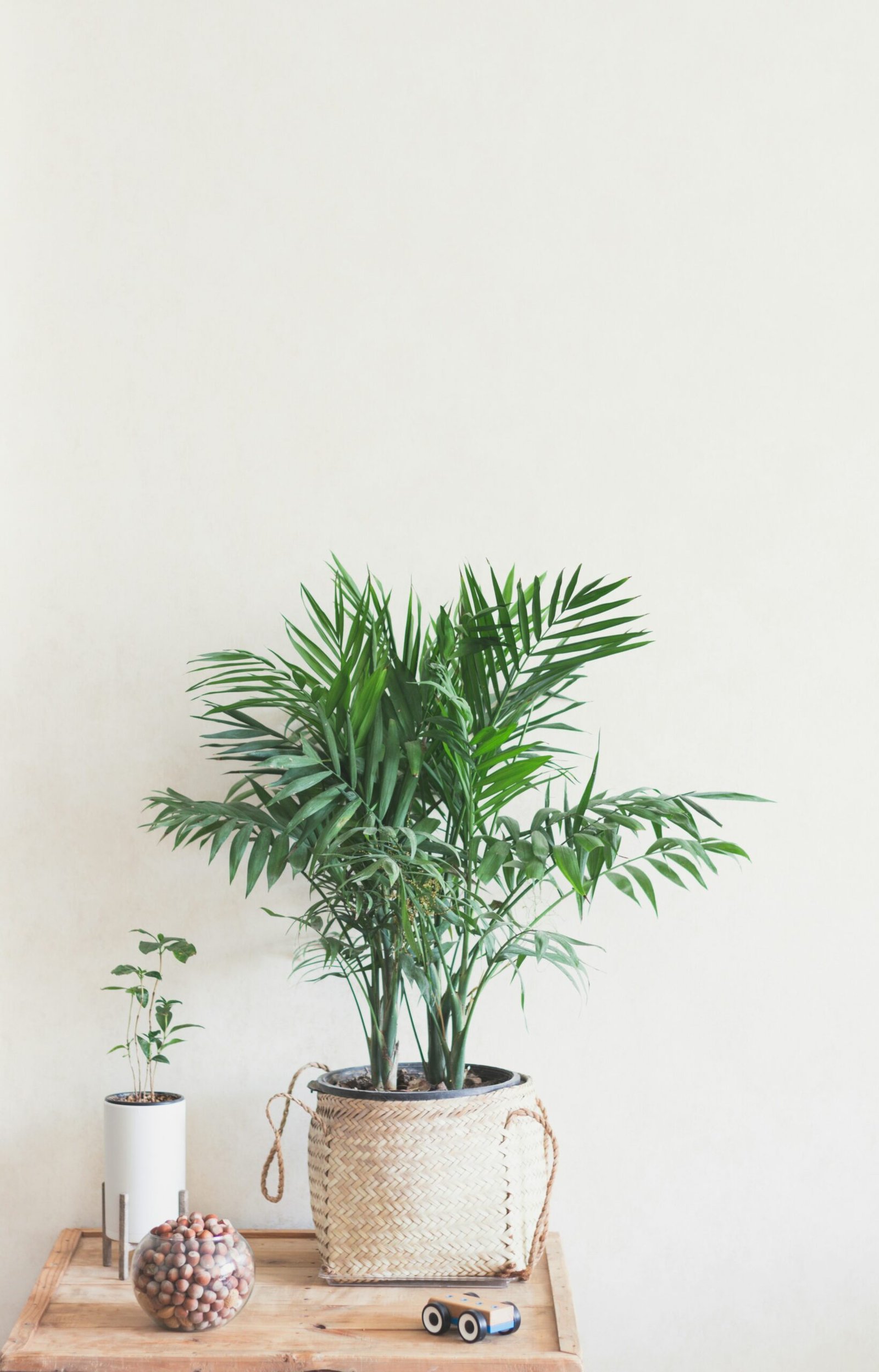
Areca Palm
Areca palm adds height, softness, and a relaxed tropical feel to a room. It is considered non-toxic to cats and dogs, so it is a strong choice for larger statement corners.
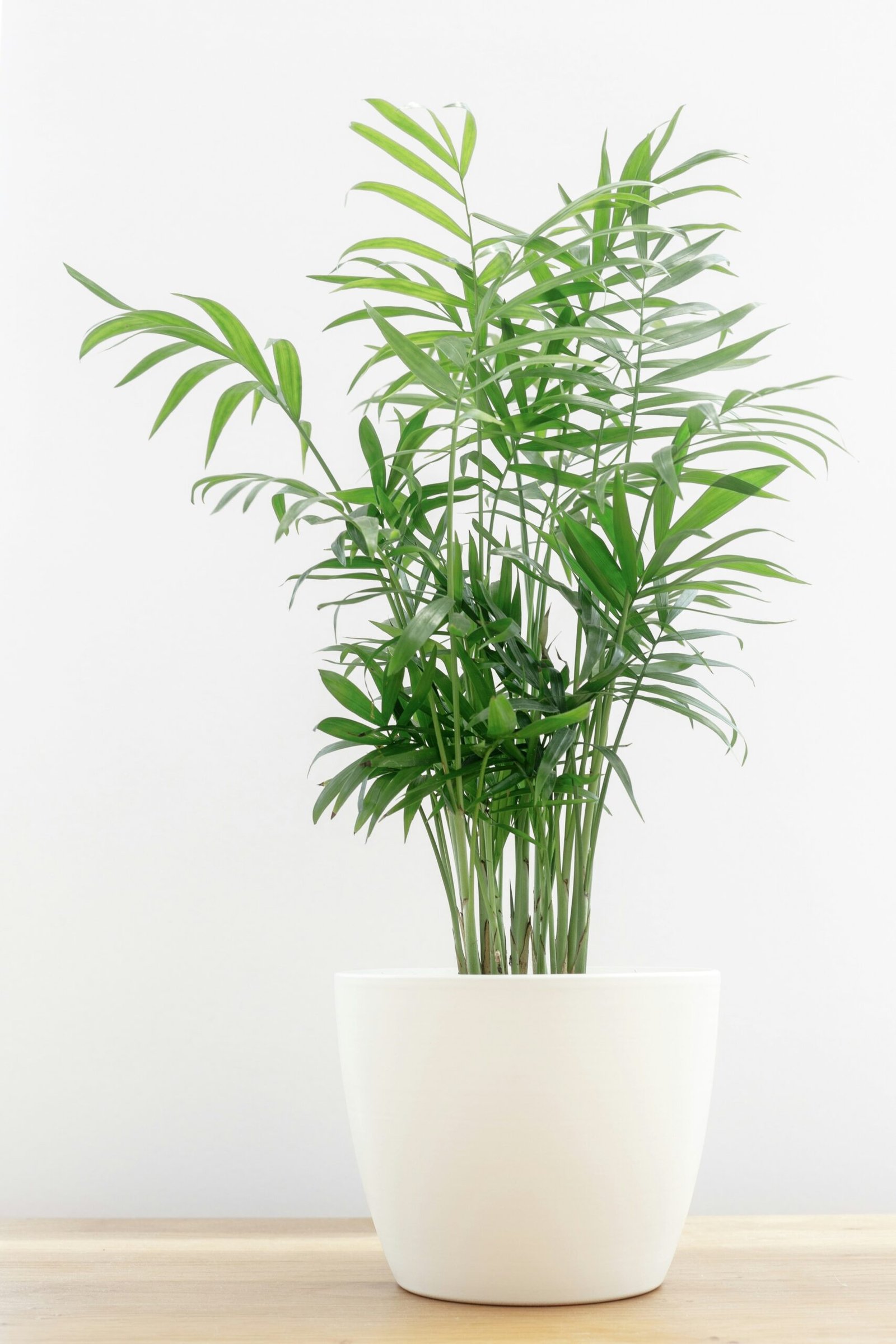
Parlor Palm
Parlor palm is elegant, timeless, and easy to blend into most interiors. It is non-toxic to pets and gives you that tall, airy look without feeling too heavy.
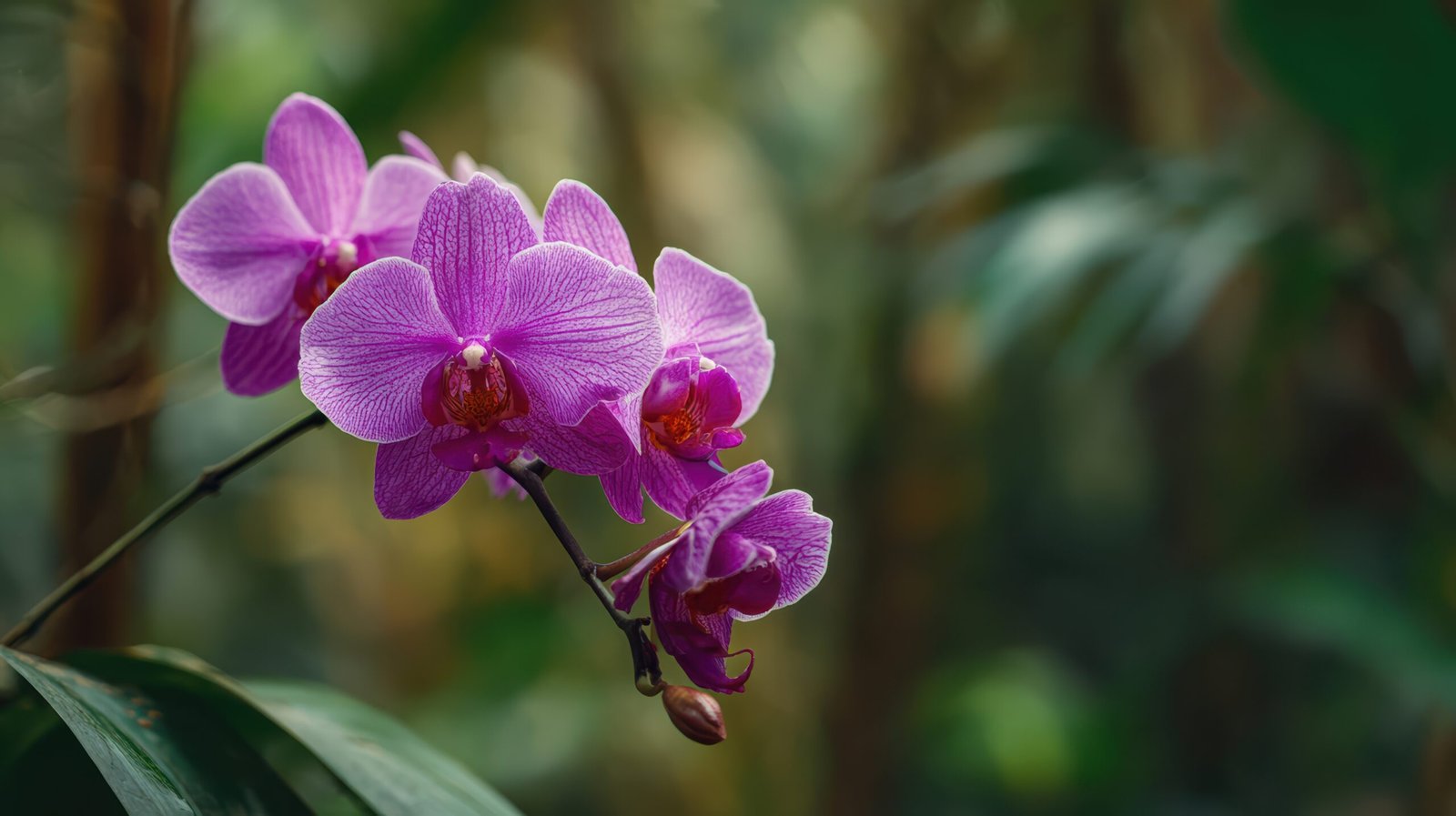
Orchid
Orchids bring a refined, polished touch that can instantly elevate a shelf or table. True orchids are non-toxic to cats and dogs, which makes them one of the prettiest pet-friendly flowering options.
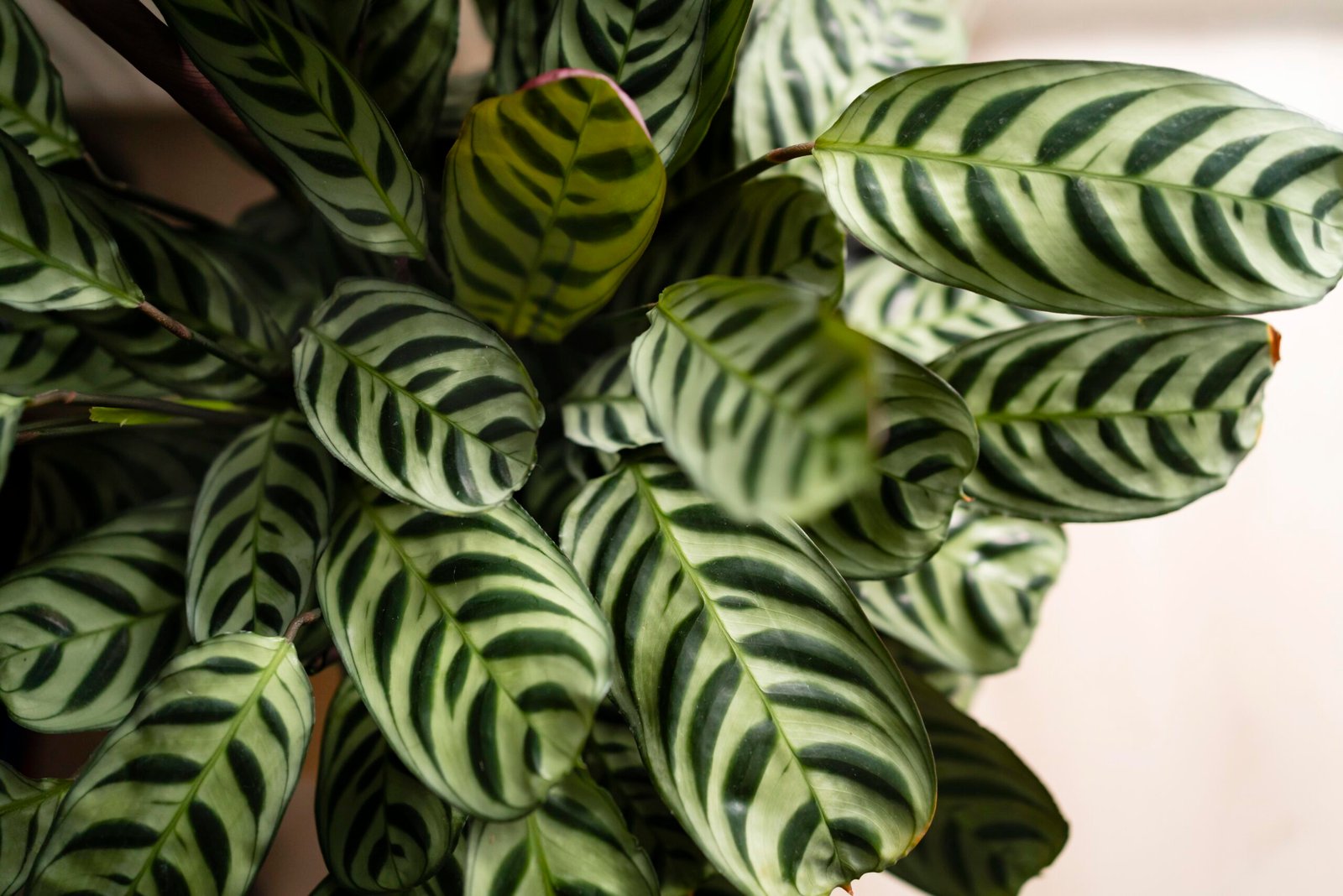
Calathea
Calathea is loved for its patterned leaves and rich color variation. It is non-toxic to pets and adds a more decorative, design-forward feel to a room than many basic green plants.
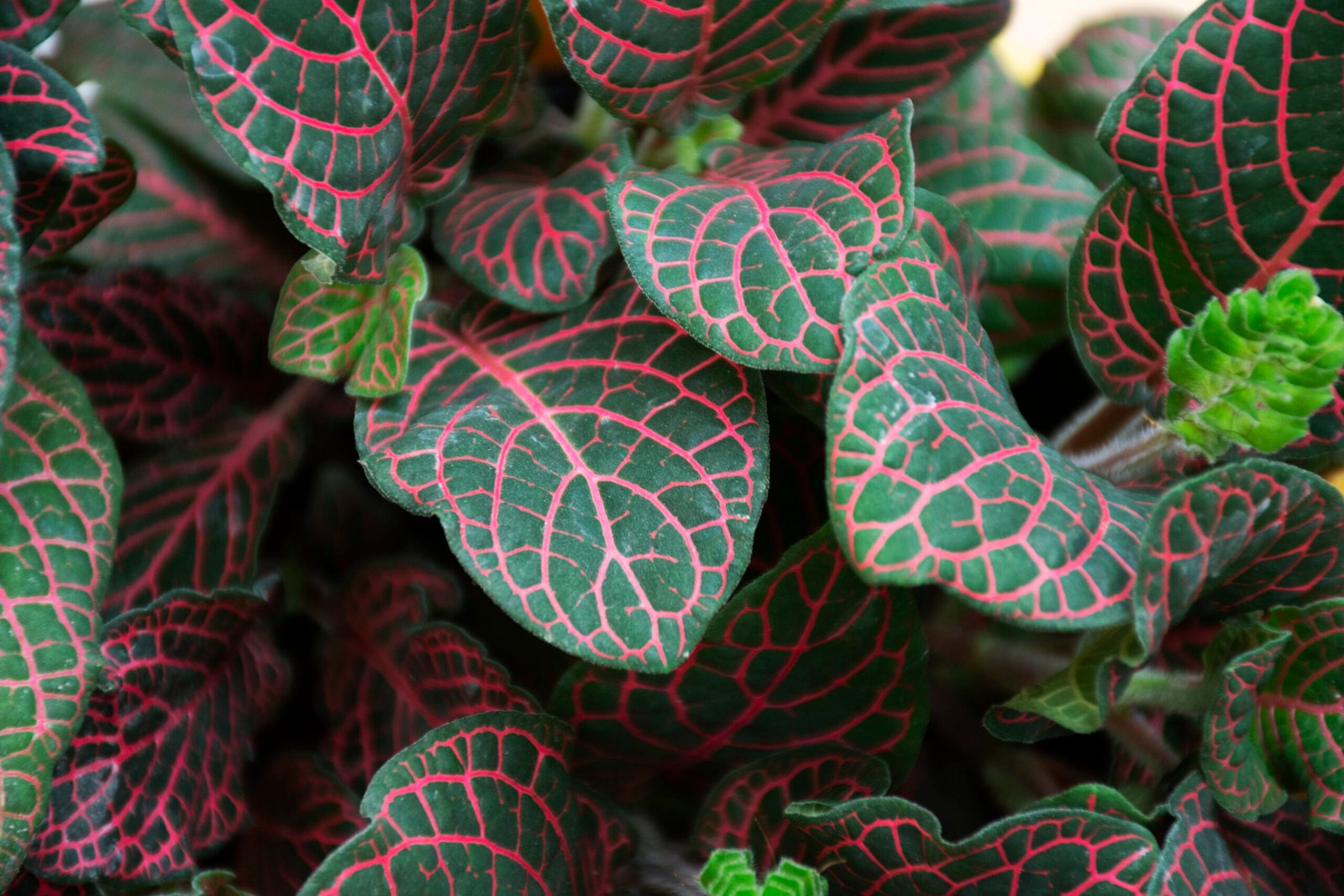
Fittonia
Fittonia, also called nerve plant, brings bold color and texture in a compact form. It is considered non-toxic to cats and dogs, so it is a great pick when you want something small but visually striking.
How to Style Plants in a Pet Friendly Home
The right placement can make plants feel like part of your home’s design while also helping keep them out of reach of curious pets. A few thoughtful styling choices can create a space that feels both beautiful and practical.
Styling Ideas
- Use woven baskets for larger plants
- Elevate plants on wooden stands
- Create grouped plant corners for visual impact
- Add greenery to floating shelves
- Use hanging planters near bright windows
- Mix plants of different heights and leaf shapes
- Keep toxic plants completely out of pet-accessible areas if you choose to own them



A pet-friendly home doesn’t have to be a plant-free home. By choosing safe, beautiful varieties and styling them thoughtfully, you can enjoy all the warmth and character that indoor plants bring while creating a safer environment for your cats and dogs. Whether you prefer lush palms, elegant orchids, or statement-making calatheas, there are plenty of pet-friendly options that look just as good as their more popular counterparts.