How To Make Your Home Smell Better With Dogs
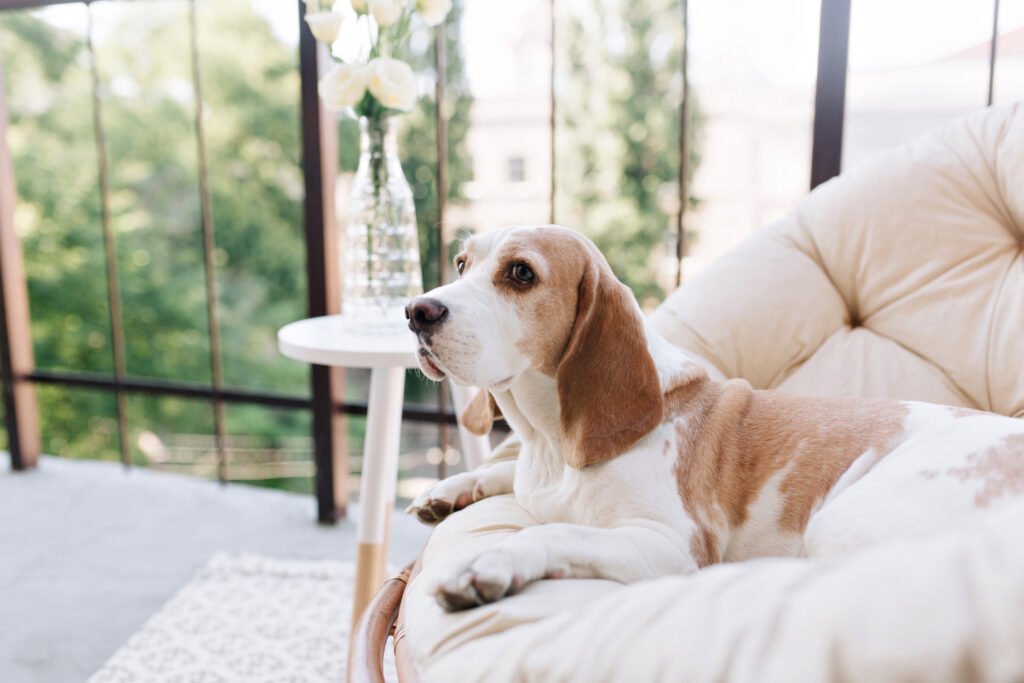
Living with dogs comes with plenty of joys, but keeping your home smelling fresh can sometimes feel like a challenge. Contrary to popular belief, a dog-friendly home doesn’t have to smell like wet fur, muddy paws, or lingering pet odors. Most dog-related smells can be managed without harsh chemicals, overpowering fragrances, or constant deep cleaning.
In this guide, we’ll cover practical ways to reduce pet odors, what veterinarians recommend, and which common scent solutions may actually be unsafe for dogs.
Table of Contents
How Odors Build Up in the First Place
Before tackling odors, it helps to understand where they come from. Common sources include:
Start With Your Dog’s Bed
Your dog’s bed absorbs fur, saliva, body oils, dirt, and outdoor debris every day. Even if the rest of your home is spotless, an unwashed bed can quickly become the main source of lingering odors.
What to Look For
- Removable washable covers
- Machine-washable materials
- Quick-drying fabrics
- Beds that don’t trap excessive moisture
Simple Habit
Wash bedding and blankets every 1–2 weeks, or more often for dogs that spend a lot of time outdoors.
Wash the Items People Often Forget
Many odors don’t come directly from your dog, they come from the surfaces your dog uses daily.
Focus on:
- Throw blankets
- Couch covers
- Area rugs
- Crate mats
- Fabric toy bins
These soft surfaces can quietly trap pet odors over time, even when they appear clean.
Keep Feeding Areas Clean
Food residue, water splashes, and saliva can create odors surprisingly quickly.
Helpful Habits
- Wash food and water bowls daily
- Wipe feeding mats regularly
- Store food in airtight containers
- Remove uneaten wet food promptly
Ceramic and stainless steel bowls are often easier to keep clean than plastic alternatives, which can develop scratches that trap bacteria.
Create a Clean Entryway Routine
One of the easiest ways to reduce odors is to stop them before they spread through the house. Consider keeping:
- Paw wipes
- A dedicated towel basket
- A leash station
- A small storage area for outdoor gear
Improve Airflow Naturally
Fresh air is one of the most effective and overlooked odor-control tools.
Try:
- Opening windows daily when possible
- Running ceiling fans
- Using exhaust fans
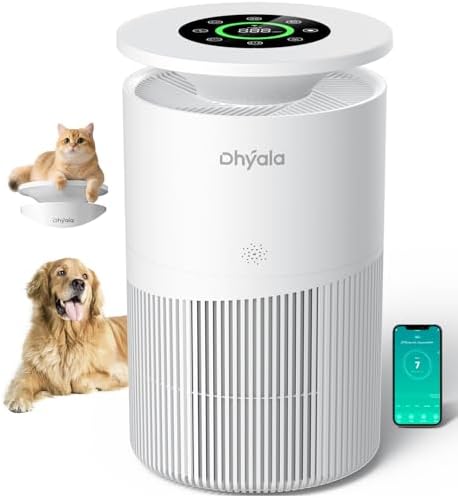
- Investing in a quality air purifier
Air purifiers with HEPA filters can help reduce pet dander, dust, and airborne particles that contribute to stale indoor air.
Choose Pet-Safe Ways to Freshen Your Home
Many products marketed as air fresheners can actually irritate dogs.
Use Caution With:
- Essential oil diffusers
- Scented candles
- Plug-in air fresheners
- Strong fragrance sprays
Some essential oils can be harmful to dogs, especially in concentrated forms. Tea tree oil, pine oil, wintergreen, and several citrus oils may pose risks depending on the product and exposure level.
Safer Alternatives
- Increased ventilation
- HEPA air purifiers
- Frequent washing of fabrics
- Baking soda for odor absorption
- Pet-safe cleaning products
When in doubt, consult your veterinarian before introducing heavily scented products into your home.
Don’t Overlook Grooming
Focus On
- Regular brushing
- Routine bathing when appropriate
- Ear cleaning if recommended by your vet
- Dental care
- Regular veterinary checkups
Dogs with healthy skin and coats tend to produce fewer odors overall.
Organize Pet Supplies to Reduce Clutter and Odors
Pet clutter can unintentionally contribute to a home feeling less fresh. Consider:
- Covered toy baskets
- Storage bins for supplies
- Floating shelves for grooming products
- Dedicated feeding stations
- Closed containers for treats and food
Check our article: Pet Supplies Organization Ideas That Make Your Home Less Cluttered
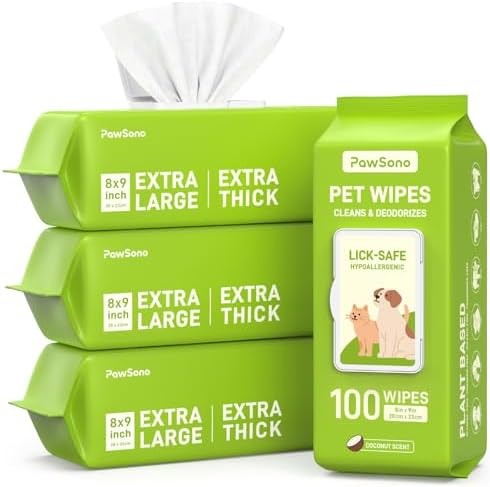
Products That Could Help


Quick Daily Habits That Make a Big Difference
A few simple habits can go a long way:
Vacuum high-traffic areas regularly
Wash dog bedding frequently
Wipe paws after walks
Clean feeding stations daily
Open windows when weather allows
Brush your dog regularly

Learning how to make your home smell better with dogs isn’t about masking odors with fragrances. It’s about identifying where odors originate, maintaining healthy routines, and choosing solutions that are safe for your pet.
With clean bedding, proper grooming, good airflow, and a few smart organizational habits, it’s entirely possible to enjoy a home that feels fresh, comfortable, and welcoming—without sacrificing the companionship of your dog.