Cat Friendly Apartment Mistakes That Secretly Stress Indoor Cats
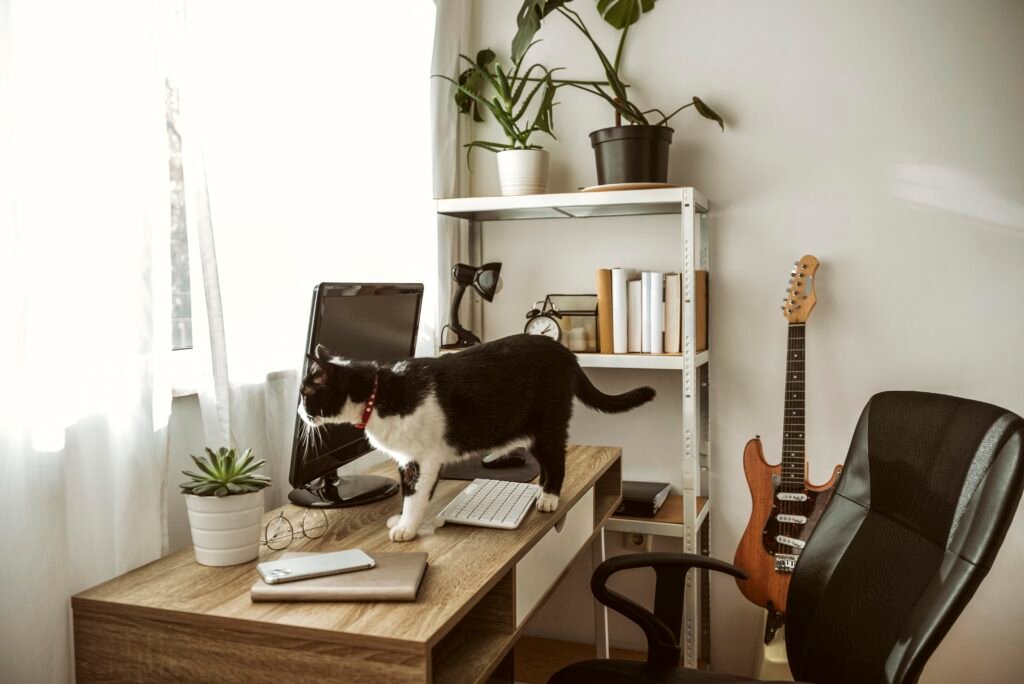
Living in an apartment doesn’t mean your cat can’t live a happy and fulfilling life. In fact, many indoor cats thrive in smaller homes when their environment is designed around their natural instincts. The problem is that some common apartment layouts unintentionally limit opportunities for climbing, observing, scratching, and exploring, which can contribute to boredom, stress, and unwanted behaviors.
The good news is that creating a cat friendly apartment often requires only a few thoughtful changes. From adding vertical space to improving litter box placement, small adjustments can make a big difference in your cat’s daily life.
Table of Contents
Why a Cat Friendly Apartment Matters
Cats may spend most of their day sleeping, but they are naturally curious animals that rely on their environment for mental stimulation. In the wild, cats climb, hide, hunt, observe their surroundings, and establish territories. When an indoor environment doesn’t support these behaviors, stress can gradually build up.
A well-designed cat friendly apartment can help:
- Reduce boredom and anxiety
- Encourage healthy exercise
- Prevent destructive scratching
- Support natural behaviors
- Improve overall wellbeing
Mistake #1: Not Providing Enough Vertical Space
One of the most common apartment mistakes is thinking only in terms of floor space. Cats naturally seek higher vantage points because they feel safer when they can observe their surroundings from above.
Without climbing opportunities, your cat may become bored or start jumping onto kitchen counters and other unwanted areas.
Solution:
Add cat trees, wall-mounted shelves, window perches, or other elevated resting spots that allow your cat to climb and observe their environment.
These wall shelves are perfect for small apartments because they turn unused wall space into a cozy cat zone without taking up the floor. They also give cats vertical space to climb, perch, and explore, which helps keep them active and enriched indoors.
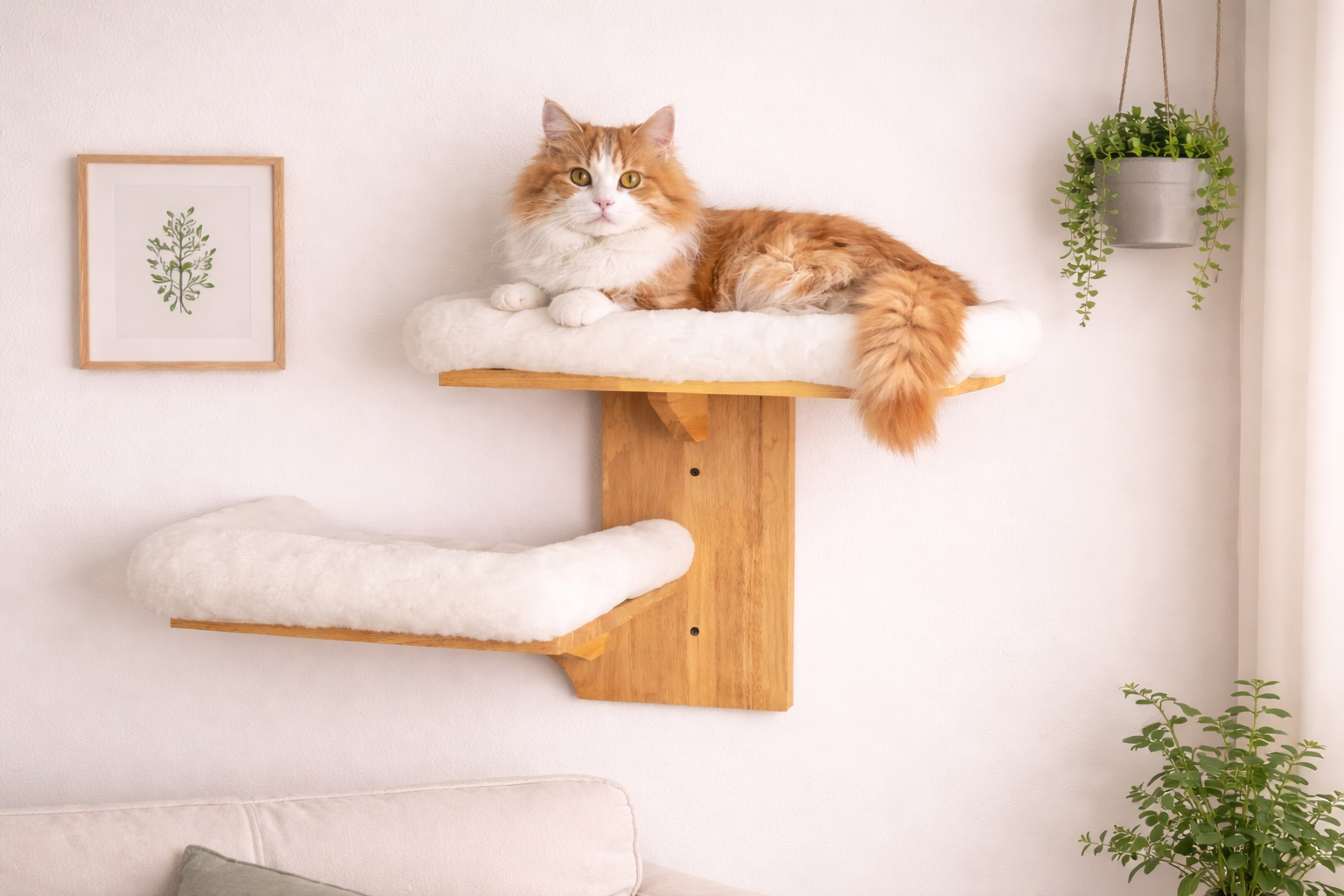
FUKUMARU Cat Wall Shelves
A tree-shaped wall shelf with two platforms and soft cushion perches, made for climbing, play, and quick naps.
VIEW ON AMAZON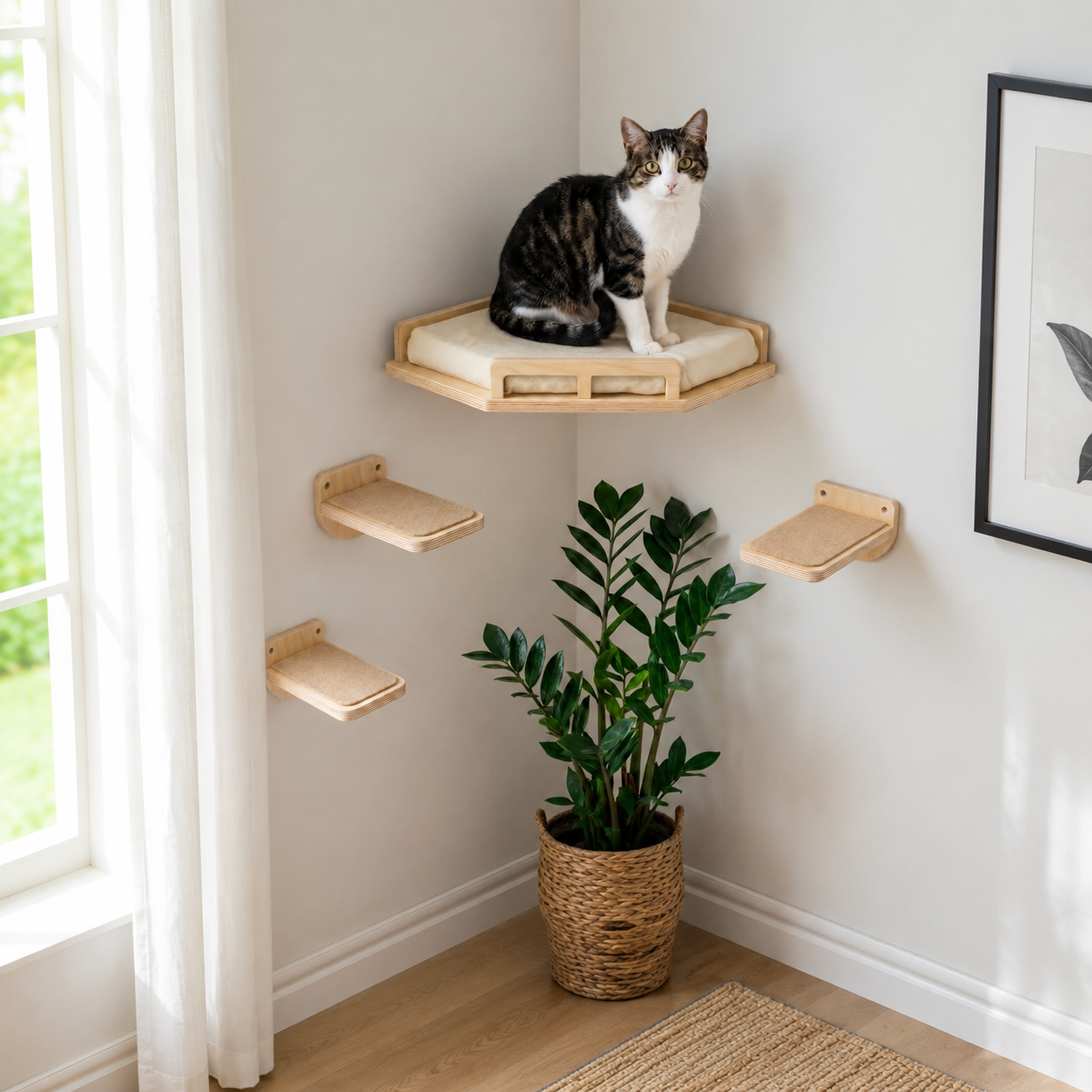
Cat Wall Shelves Set
A stylish corner shelf with three steps and a cushioned perch, designed to give cats a safe place to climb and relax.
VIEW ON AMAZONMistake #2: Blocking Access to Windows
For indoor cats, a window acts like live entertainment. Watching birds, people, and outdoor activity provides valuable mental stimulation throughout the day.
When furniture placement prevents easy window access, cats miss out on one of the most enriching parts of their environment.
Solution:
Place a cat tree, perch, or cozy bed near a window so your cat has a comfortable viewing spot.
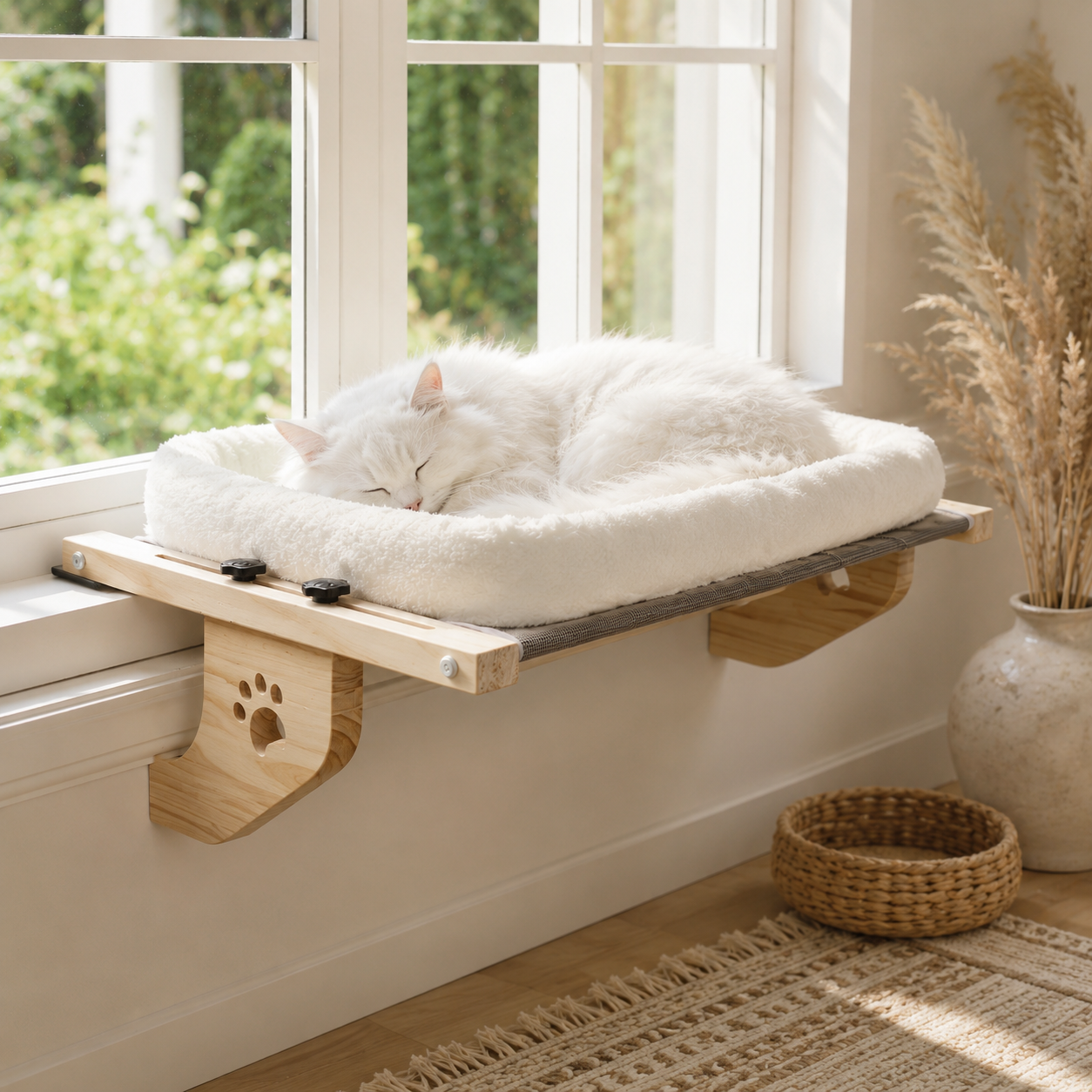
AMOSIJOY Cat Sill Window Perch
A sturdy hammock-style seat with a cushion bed cover, made for large cats to lounge, nap, and enjoy the view.
VIEW ON AMAZONMistake #3: Hiding the Litter Box in the Wrong Location
Many owners try to hide litter boxes completely, often placing them in laundry rooms, closets, or busy areas with loud appliances.
Cats generally prefer quiet, accessible locations where they can use the litter box without feeling trapped or startled.
Solution:
Choose a calm area with easy access and avoid placing litter boxes next to noisy appliances or high-traffic pathways.
Mistake #4: Placing Food and Water in Busy Areas
Would you enjoy eating next to a hallway where people constantly walk past?
Cats often prefer calm locations for eating and drinking. Busy areas can make some cats feel uncomfortable or rushed during meals.
Solution:
Place feeding stations in quiet locations away from heavy foot traffic, litter boxes, and loud appliances.
Mistake #5: No Dedicated Scratching Areas
Scratching isn’t bad behavior, it’s a natural instinct. Cats scratch to stretch, maintain their claws, and mark territory.
Without appropriate scratching surfaces, furniture often becomes the next best option.
Solution:
Place scratching posts near sleeping areas and social spaces where your cat naturally spends time.
Mistake #7: Choosing Houseplants That Aren’t Pet-Friendly
Many popular houseplants featured in home decor inspiration are not ideal for cat owners.
Plants such as Monstera, Pothos, Peace Lily, ZZ Plant, and Snake Plant can be problematic if curious cats chew on them.
Check out our article: Pet Friendly Plants That Make Your Home Feel Stylish and Alive
Extra Tips
- Rotate toys regularly to keep them interesting.
- Create a cozy window corner with a bed.
- Use furniture that doubles as cat furniture when possible.
- Add enrichment activities such as puzzle feeders.
- Keep toxic plants and dangerous household items out of reach.
- Give your cat opportunities to climb, scratch, hide, and observe every day.

Creating a cat friendly apartment isn’t just about having more space, it’s about using the space you have more thoughtfully. By adding vertical territory, improving feeding and litter box locations, providing safe hiding spots, and incorporating pet-friendly decor, you can create an environment that supports your cat’s natural instincts while still maintaining a beautiful home. Even small changes can make your apartment feel more enriching, comfortable, and enjoyable for both you and your cat.