The Daily Pet Bird Routine That Keeps Them Happy and Calm
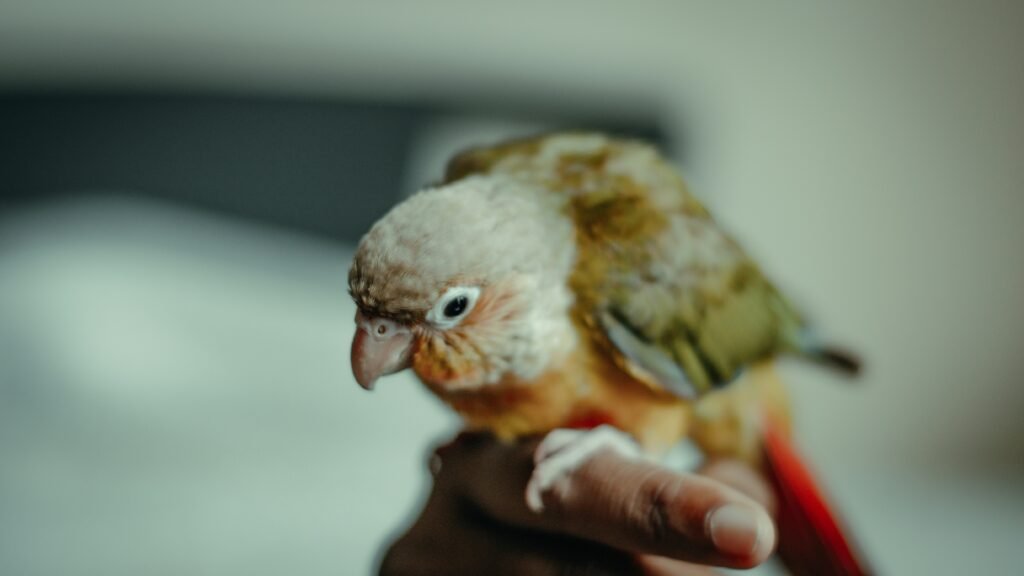
A calm bird usually isn’t a “naturally easy” bird. Most happy companion birds become calmer because their environment feels predictable, stimulating, and emotionally safe every day. That’s why having a simple pet bird routine matters so much.
Table of Contents
Birds thrive on rhythm. In the wild, their entire day follows a natural pattern: waking with sunlight, socializing with the flock, searching for food, grooming, resting, and winding down before dark.
When home life feels random or overstimulating, birds often react through:
- screaming
- clinginess
- pacing
- feather plucking
- frustration biting
The good news is that small daily habits can completely change how secure and relaxed a bird feels at home.
Start the Morning Slowly
One of the easiest ways to improve a daily pet bird routine is by changing how mornings feel. Birds wake up extremely alert and aware of their surroundings, so sudden loud noises, rushing around the house can create stress before the day even properly begins.
A calmer start helps birds settle into the day much more comfortably. Small habits like uncovering the cage gently, opening curtains for natural light, talking softly while preparing breakfast, and refreshing water and food immediately create a predictable rhythm birds quickly learn to trust.
Many birds also enjoy hearing familiar morning sounds like quiet conversation, soft music, or normal household movement. It signals that the flock is awake, nearby, and safe.
Make Food Feel Interesting Again
One of the biggest mistakes in a typical pet bird routine is making food too predictable. In nature, birds spend a huge part of the day searching, climbing, tearing, and investigating for food. At home, meals often appear instantly in the exact same bowl every day, removing a lot of natural mental stimulation.
Instead of only adding more toys, try creating tiny “foraging moments” throughout the week. Simple things like wrapping treats in paper, hiding pellets inside safe cardboard, placing food in different cage areas, or rotating feeding spots occasionally encourage curiosity and problem-solving behavior.
Birds genuinely enjoy having small challenges to figure out. In many cases, mental stimulation creates calmer behavior faster than owners expect.
Give Birds Quiet Social Presence
A lot of birds don’t actually want nonstop attention all day long, they want to feel included in everyday life.
One underrated part of a healthy bird routine at home is quiet companionship. Birds naturally feel safer when they can observe their humans nearby during normal daily activities.
This can be as simple as letting them sit on a perch near your desk, moving a play stand closer while cooking, or talking casually while doing chores. For many companion birds, presence matters more than constant interaction or entertainment, because they simply enjoy feeling part of the environment around them.
Rotate the Environment Before Birds Get Bored
A healthy pet bird routine includes small environmental changes throughout the week to keep curiosity alive. This can mean rotating toys, slightly changing perch positions, introducing new shredding materials, or adding safe branches and paper textures for exploration.
Birds are naturally curious animals, and tiny changes often create huge mental engagement. Interestingly, enrichment doesn’t always need to be expensive either. Sometimes a cardboard box or crumpled paper becomes more exciting than store-bought toys.
Protect Their Sleep Routine
Sleep is one of the most overlooked parts of bird care, yet it affects behavior more than many people realize. An overstimulated or overtired bird often becomes louder, moodier, clingier, and more reactive during the day.
Most companion birds need around 10–12 hours of uninterrupted darkness every night. A calming nighttime pet bird routine can include dimming lights gradually, lowering TV volume, reducing household activity, and covering the cage if your bird prefers it.
Birds don’t just need enough sleep, they need consistent sleep quality. Many behavior problems noticeably improve once sleep becomes more predictable.
Products That Can Support a Better Pet Bird Routine
A nearby perch stand gives birds a safe place to observe everyday household activity without staying inside the cage all day. Window perches especially help curious birds stay mentally engaged while supporting a calmer and more natural daily routine.

Foraging toys encourage birds to problem-solve and work for their food instead of eating passively from a bowl. This type of mental stimulation helps reduce boredom and supports healthier, calmer behavior over time.
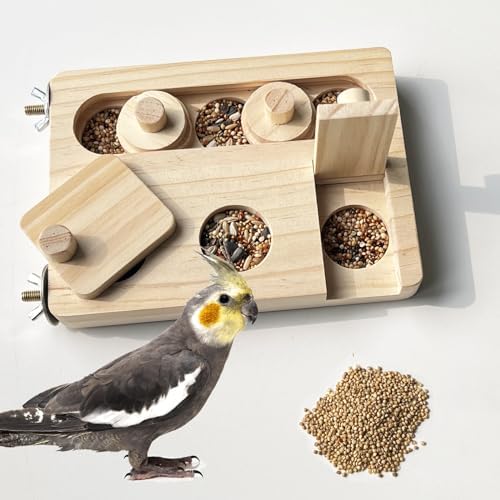
Shredding and chewing are completely natural bird behaviors, especially for active companion parrots. Toys with different textures and materials help birds release energy safely while keeping their environment more interesting day to day.

A breathable cage cover can help create a darker, calmer sleeping environment for birds that struggle with noise or late-night light exposure. Consistent darkness and quieter evenings often improve mood, reduce overstimulation, and support a healthier sleep routine.

Extra Tips That Make a Big Difference
Birds usually prefer consistency over constant excitement.
Small daily habits matter more than occasional “perfect” days.
Rotating toys works better than overcrowding the cage.
Quiet companionship still counts as social interaction.
Sleep affects bird behavior more than most owners realize.
A calmer environment usually creates calmer birds.

A good pet bird routine isn’t about controlling every hour of the day. It’s about creating a home that feels predictable, mentally engaging, and emotionally safe.
Most birds don’t need perfection. They need rhythm, stimulation, good rest, and daily moments of connection. And often, the smallest habits end up making the biggest difference.
YOU MIGHT ALSO LIKE THESE ARTICLES: