How to Calm Dog When Visitors Come Over Without Stress
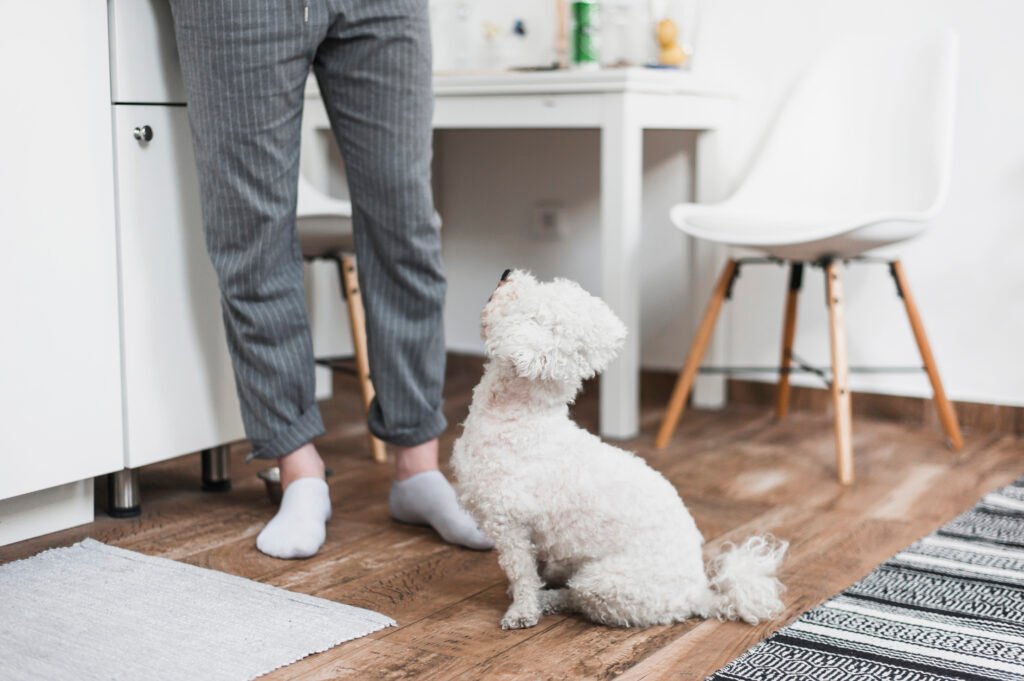
If you’ve been trying to figure out how to calm dog when visitors come over, it’s probably because things get a bit chaotic the moment someone knocks on the door. One second your home is quiet, the next your dog is barking, jumping, pacing, or doing all of it at once.
It’s frustrating, especially when you just want a normal, relaxed visit. But the truth is, most dogs aren’t misbehaving on purpose in these moments. They’re reacting to a sudden shift in energy and they don’t always know how to handle it calmly.
The good part is this: once you understand what’s actually driving that reaction, it becomes much easier to guide it in a better direction.
Table of Contents
Why Dogs Get Overexcited When Visitors Come Over
Before fixing the behavior, it’s important to understand what’s causing it. For some dogs, guests are exciting, because new people mean attention, interaction, and stimulation. This often leads to jumping, running, and barking.
For others, it’s the opposite. Visitors disrupt their environment and routine, which can create anxiety instead of excitement. Even though the behavior may look similar, the cause is different and so is the solution.
There are also specific triggers:
- doorbell or knocking sounds
- sudden movement or noise
- guests entering quickly
Dogs react to these patterns, and over time, the reaction becomes automatic.
Why It’s Important to Calm Your Dog Around Visitors
This isn’t just about avoiding a bit of noise or excitement when someone walks in.
When a dog reacts intensely every time guests arrive, it can quickly turn a simple visit into something stressful for everyone involved. Not all visitors are comfortable around dogs, especially when there’s jumping, barking, or constant movement happening right at the door. Even a friendly dog can feel overwhelming in that moment.
It also shapes how people experience your home. Instead of feeling relaxed, guests may hesitate, stand back, or feel unsure about how to act. That tension doesn’t go unnoticed because dogs pick up on it and often become even more reactive because of it.
At the same time, your dog isn’t benefiting from that cycle either. Repeated overstimulation can build into a habit, and over time it can turn into stress rather than excitement.
What Actually Works
You don’t need to completely retrain your dog or follow anything complicated. In most cases, it comes down to small changes that shift the situation from chaotic to predictable.
Start Before the Door Opens
One of the biggest mistakes is trying to fix the behavior after your dog is already overstimulated.
If your dog has a lot of pent-up energy, they’re far more likely to explode the moment someone walks in. A proper walk, some play, or even a bit of mental stimulation beforehand can take the edge off. It doesn’t make them perfectly calm, but it lowers the intensity enough to work with.
Keep the Arrival Low-Key
Dogs mirror energy more than we realize. If the entrance is loud, fast, and full of excitement, your dog will match that instantly.
A calmer entry changes everything. Slower movements, quieter voices, less direct interaction at the door, it gives your dog a chance to process what’s happening instead of reacting all at once.
Redirect Instead of Correcting
Trying to stop the behavior directly often leads to more frustration, both for you and your dog.
It works better to redirect that energy into something else. A chew, a toy, or a simple task like staying in place gives them something to focus on that isn’t the door or the guest. You’re not suppressing the reaction, you’re giving it a different outlet.
Be Careful What You Reinforce
Dogs are incredibly good at noticing what gets a response.
If jumping or barking leads to attention, even if it’s just eye contact or talking, it can accidentally reinforce the behavior. On the other hand, when calm behavior is what gets rewarded, they start leaning toward that instead. This part takes patience, but it’s where real change happens.
Let Guests Help Without Realizing It
One simple shift that makes a big difference: ask guests to ignore your dog for the first few minutes.
No eye contact, no talking, no reaching out. It feels counterintuitive, but it removes the immediate reward your dog is expecting. Once things settle, interaction becomes something your dog earns by being calm, not something that triggers excitement.
Recommended Products That May Help
These aren’t necessary, but they can make the process smoother, especially while your dog is still learning.
Calming Toys & Enrichment
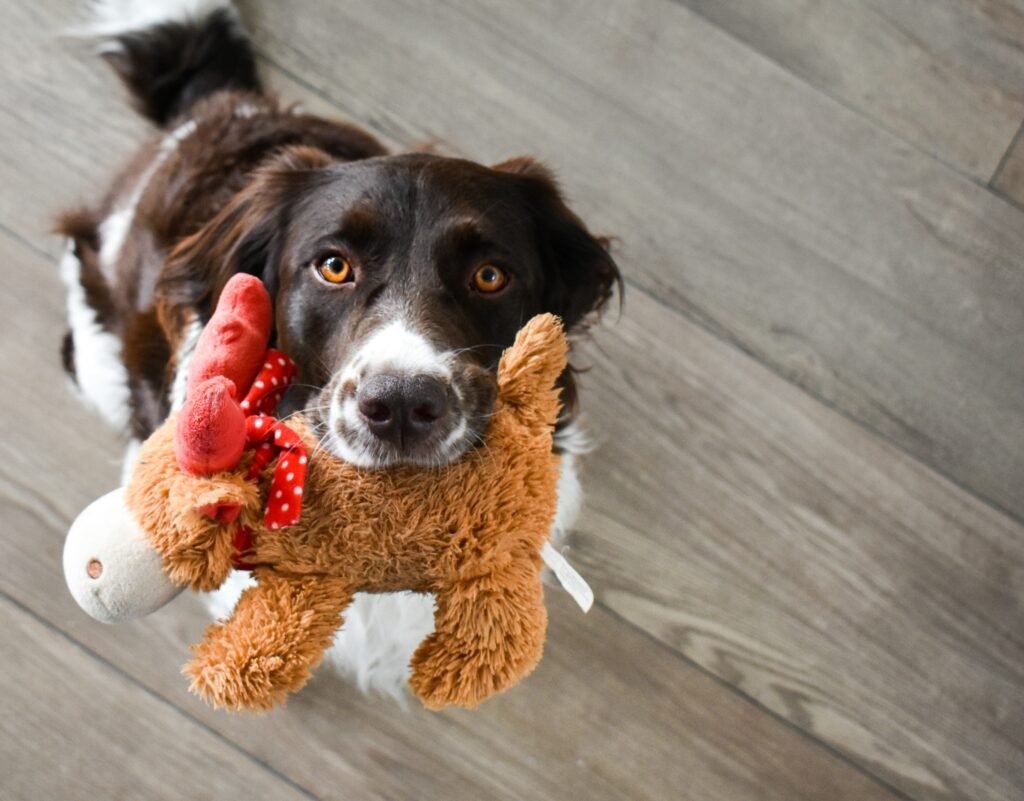
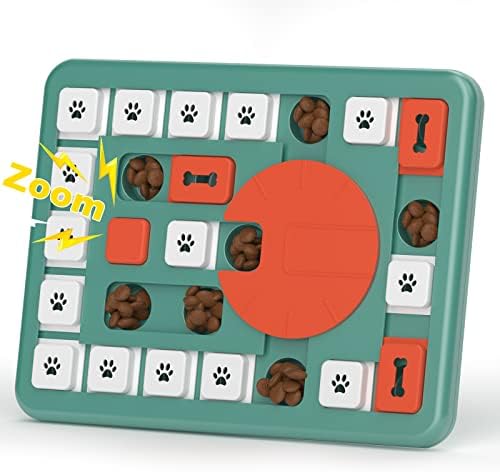
Giving your dog something to focus on during those first few minutes can completely change how they handle the situation. Instead of fixating on the door or the guest, they have an outlet for that energy that actually helps them settle.
Puzzle toys reduce boredom and destructive behavior by giving dogs a job to do. Chewing releases calming chemicals in dogs (like a natural stress relief).

Calming Support (If Needed)
Some dogs need a bit of extra help, especially if their reaction is more anxiety than excitement. Natural calming aids can take the edge off just enough to make training easier and more effective. A Pheromone diffuser mimics natural calming pheromones dogs respond to.

- #1 VET-RECOMMENDED RETAIL BRAND – Help your dog feel calmer. Used by veterinarians, trainers and pet parents, ThunderEas…
- CALMING TECHNOLOGY– ThunderEase is drug-free and helps ease your dog’s stress- related behaviors by mimicking the calmin…
- RESULTS DOG OWNERS TRUST – Over 80%* of pet parents surveyed reported improvement in their pet’s signs of stress when us…
Extra Tips
A Few Things to Keep in Mind
Small habits that make a big difference.
Practice with one calm guest before attempting greetings with a group.
Keep a leash on during early training, it gives you control without confrontation.
Let things settle naturally. Forced greetings backfire more often than they help.
Same rules every time, even when it feels repetitive, consistency is what your dog learns from.
Your dog reads you before they read the guest. Stay calm and they are more likely to follow.

Learning how to calm dog when visitors come over isn’t about stopping your dog’s personality, it’s about helping them feel more in control when something exciting or unfamiliar happens. With a bit of structure, the right kind of stimulation, and consistency, most dogs can learn to handle guests in a much calmer, more balanced way.
You Might Also Like
If you’re working on improving your dog’s behavior and daily routine, these guides can help:
- Why Are Dogs Eating Too Fast and How To Slow Them Down
- The Ultimate Guide to a Stress-Free Pet Travel Kit
- Stylish Dog Beds That Also Support Their Health
- How To Keep Your Home Hair Free With a Shedding Pet