Best Parrot Toys That Keep Your Bird Happy and Busy
Discover the best parrot toys for chewing, foraging, climbing, and more – safe material picks and practical tips to keep your bird happy and busy every day.
Table of Contents
This post contains affiliate links. If you make a purchase through these links, I may earn a small commission at no extra cost to you.
Why Parrots Need Toys and Mental Stimulation
Parrots are among the most intelligent companion birds. In the wild, they spend a large part of their day flying, exploring, chewing wood, interacting with flock members, and searching for food. When kept as pets, they still have the same instincts and cognitive needs.
Without enough stimulation, parrots often develop behavioral problems such as:
- feather plucking
- screaming or excessive vocalizing
- aggression
- destructive chewing
Veterinary experts emphasize that toys and environmental enrichment are essential for parrots because they provide mental stimulation and opportunities to express natural behaviors, which improves both psychological and physical well-being.
Types of Toys That Keep Parrots Engaged
Different toys stimulate different instincts in parrots. Providing a mix of toy types helps prevent boredom and keeps birds mentally and physically active.
Puzzle & Foraging Toys
In the wild, parrots spend hours searching for food – it is one of their primary daily activities. In captivity that challenge disappears, which leads to boredom and stress. Foraging toys bring that mental stimulation back. Studies on captive parrots consistently show that birds given foraging opportunities display fewer stress-related behaviors and are generally calmer and more content. Even a simple hidden treat can keep a parrot occupied for significantly longer than food placed directly in a bowl.
They are especially useful for parrots that spend several hours alone during the day.

Chewing & Shredding Toys
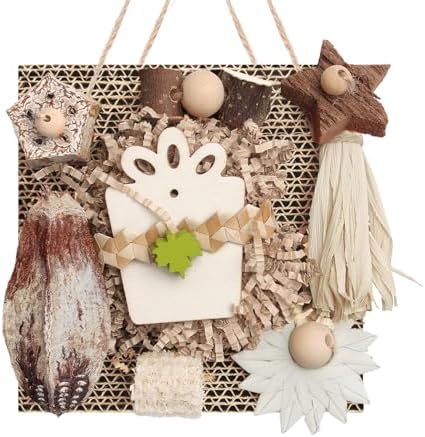
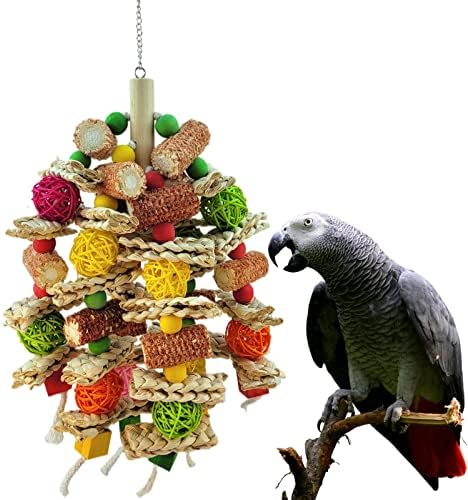
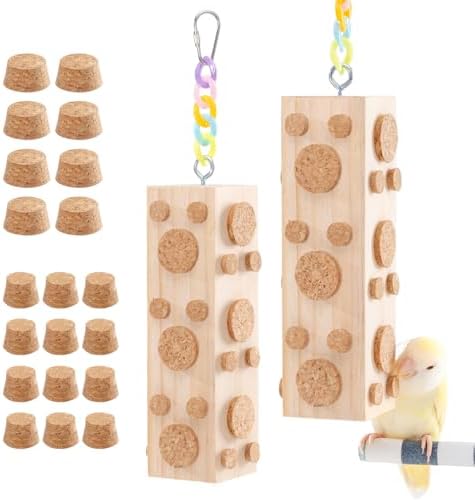
Parrots have a natural drive to chew and it never goes away. Without an outlet, they will redirect it to cage bars, furniture, or their own feathers. These toys give them something safe and satisfying to destroy. Chewing also plays an important role in beak health as it naturally files and shapes the beak the way branches and bark would in the wild. Shredding softer materials adds a different dimension, giving birds a more relaxed, almost meditative activity that helps reduce stress and anxiety throughout the day.
Climbing & Activity Toys
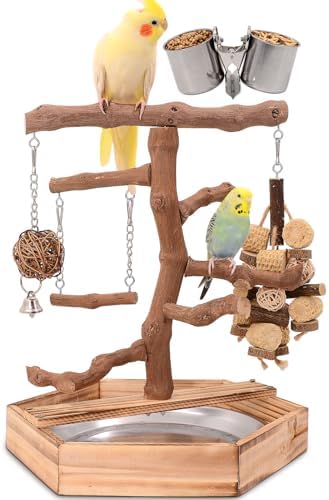
Parrots are built to move, climb, and explore. A cage with nothing to interact with physically is one of the fastest routes to a stressed, unhappy bird. These toys turn the cage into an active environment. Physical activity also has a direct impact on mood as a parrot that moves regularly is less likely to develop repetitive behaviors like pacing or excessive screaming. Climbing structures with different heights and textures also improve balance and coordination over time.

Foot Toys
Many parrots instinctively grab and manipulate objects with their feet. Foot toys encourage this natural behavior and keep birds independently entertained between interactions. Small, simple, and endlessly useful. They are particularly valuable for species like African Greys, Amazons, and Caiques that are known to be especially active with their feet. Scattering a few foot toys across different perches also encourages parrots to move around the cage rather than staying in one spot all day.

- Safe to Your Pet- These rattan balls are use food grade dye to color, and made from natural wicker, totally safe to your…
- Large Quantity- Including 30 pack wicker rattan balls(ball diameter: 3cm/1.2 inch). Plenty rattan balls for all kinds of…
- Colorful Balls- Most birds love different bright and attractive colors, so the more variety you have in bird cage, the g…
How to Choose Safe Parrot Toys
Material safety always comes first. Parrots chew and shred everything they touch, so what a toy is made from matters as much as what it does.
Safe materials to look for:
- Untreated wood (balsa, pine, cork, yucca)
- Natural fibers (sisal, cotton rope, rattan, seagrass)
- Plant-based materials (loofah, palm leaf, corn husk, coconut shell)
- Cardboard and paper with food-grade dyes
- Stainless steel hardware
Tips to Keep Your Parrot Entertained
- Rotate toys every one to two weeks as parrots lose interest in familiar objects fast.
- Introduce new toys slowly and leave them near the cage for a day before placing them inside.
- Hide treats inside foraging toys to turn a simple object into a mental challenge.
- Keep a mix of toy types in the cage at all times: chewing, climbing, and foraging together

Boredom is one of the biggest problems for captive parrots and the right toys make a real difference. A good mix of chewing, foraging, climbing, and foot toys keeps your bird physically active, mentally stimulated, and significantly less likely to develop stress-related behaviors.
Variety and rotation are everything as no single toy will hold a parrot’s attention forever, but a well-chosen selection swapped out regularly will keep your bird engaged every day.
Looking for more honest pet care guides? Browse all articles on Pet Life Daily and find what works best for you and your pet.