How to Turn a Bird Cage Setup Into a Space Your Bird Loves
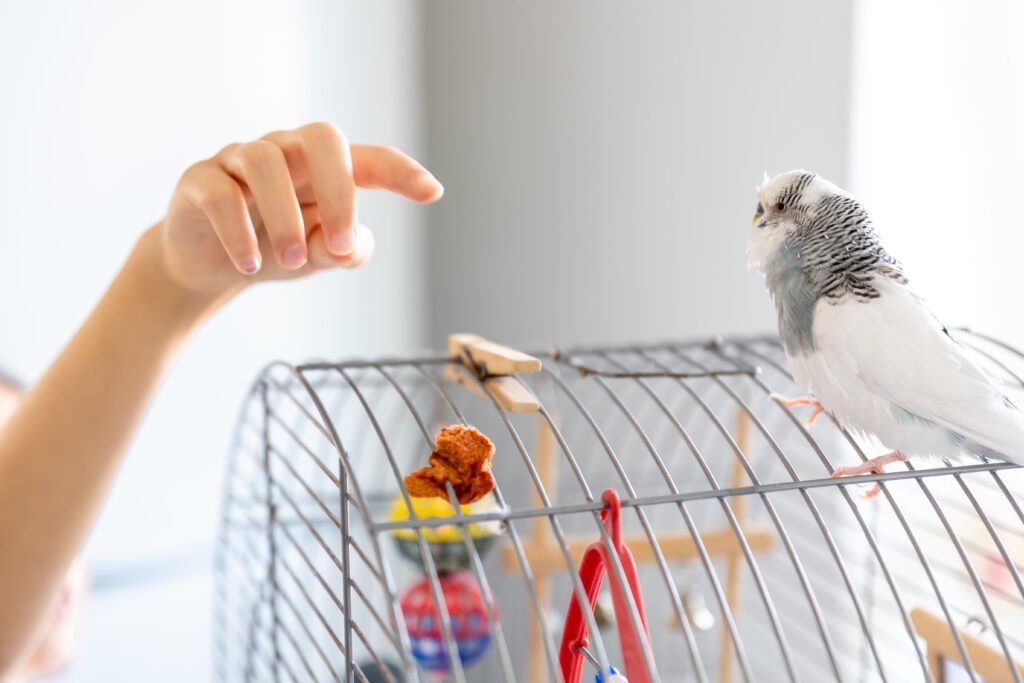
Most bird owners set up a cage once and never really think about it again. A perch here, a water bowl there, maybe a toy or two hanging from the top. It looks fine. But for the bird living inside it twelve hours a day, it is far from enough.
A good bird cage setup is the difference between a parrot that screams, paces, and destroys things and one that is genuinely content. The cage is not just a container, it is your bird’s entire world when you are not around. This guide covers what your parrot actually needs, from perches to foraging and the accessories worth buying.
Table of Contents
This post contains affiliate links. If you make a purchase through these links, I may earn a small commission at no extra cost
Why It Actually Matters
Parrots are intelligent animals. In the wild they spend their days foraging, exploring and socialising. A poorly equipped cage does not reduce those urges, it just removes any outlet for them.
As experts suggest, the cage should feel less like a container and more like an environment with different zones for eating, climbing, playing and resting. A bird that can move between purposeful spaces throughout the day is significantly less likely to develop the boredom-driven behaviours that frustrate most owners.
What a Good Bird Cage Setup Actually Needs
A good bird cage setup is not about adding more things, it’s about how everything is arranged. The goal is to create a space that encourages movement, comfort, and natural behavior.
Think in simple zones: a place to rest, a place to eat, and a space to stay active. Keeping these slightly separate helps your bird move more instead of staying in one spot all day.
Avoid overcrowding the cage. Too many items can make it harder for your bird to move freely, while a more open layout encourages climbing, stretching, and exploring.
Everything should also be easy to reach. If something feels awkward or unstable, your bird will likely ignore it.
Products Worth Adding to Your Bird Cage Setup
Perches – more variety than you think
Most cages come with one or two basic dowel perches. That is not enough. Natural wood perches like manzanita, dragonwood, or cholla and rope perches are the most effective options. Varying perch diameter across different spots in the cage ensures foot muscles do not fatigue from holding the same position all day.
Avoid sandpaper perches entirely as they cause foot irritation. Place perches at different heights but never directly over food and water bowls to prevent contamination.

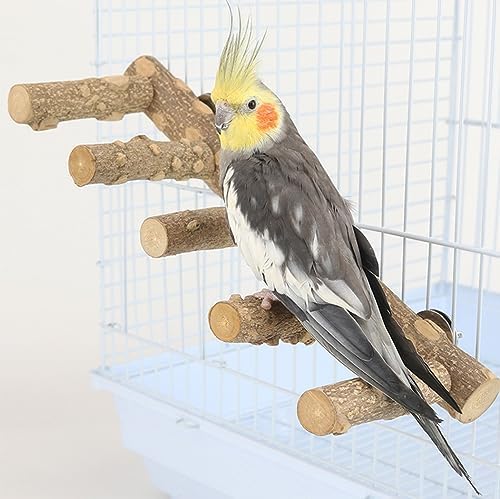
Both of these are excellent because they introduce natural variation and movement into the cage instead of forcing your bird into one static position. The branch-style perches feel far more natural, while the ladder adds an extra layer of activity and together, they create a setup that keeps your bird comfortable without you needing to overthink it.
Foraging – the most overlooked part of any cage
Think of enrichment like a daily exercise plan. Foraging toys give parrots the mental challenge they would naturally get from finding food in the wild and birds that forage regularly are significantly calmer and less likely to develop stress-related behaviours.
Simple foraging does not need to be expensive. Hiding treats inside paper cups, cardboard rolls, or small boxes is enough to keep a bird occupied for far longer than food placed directly in a bowl.
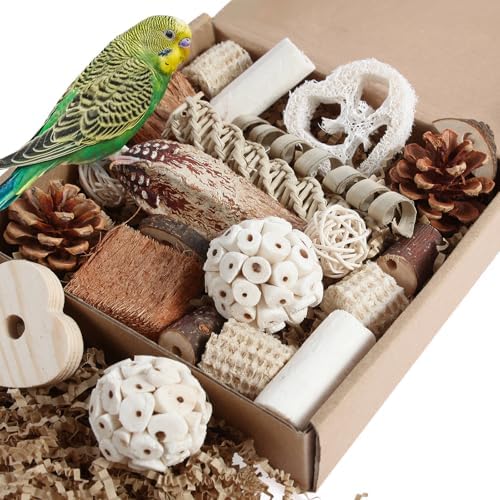

These work so well because they trigger curiosity and problem-solving, not just play. One keeps your bird busy digging and exploring, while the other adds movement and shredding, creating a routine that feels natural and keeps boredom from building up.
Toys – rotation matters more than quantity
Rotate toys regularly instead of hanging everything at once. Some parrots need time to accept new toys, so gradual introduction works better than replacing everything overnight. A good cage needs a mix of chewing toys, shredding toys, and at least one foraging challenge. Each serves a different instinct and keeps your bird engaged in a different way.
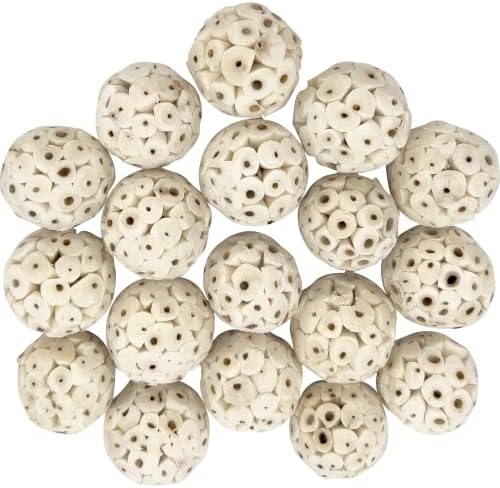

These are ideal for rotation because they’re destructible and varied, which is exactly what keeps a bird interested. They don’t just sit there, they get used, torn apart, and replaced, which is what actually keeps your bird engaged over time.
Bowls – material and placement
Use stainless steel or ceramic bowls. Plastic can harbour bacteria over time and is harder to clean properly. Place dishes away from perches to minimise contamination from droppings.
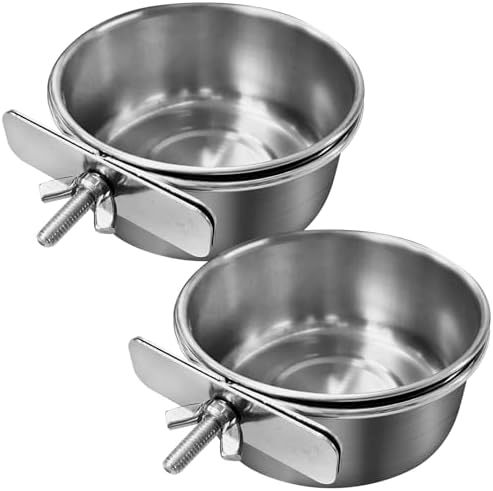

Both of these are strong choices because they focus on cleanliness and stability, which are the two things that actually matter. They’re not flashy upgrades, but they quietly improve your bird’s daily environment in a way that most people overlook.
Cage placement
The best cage location is a bright, draft-free room where the family spends time, but never the kitchen. Parrots are social and do better when they can see and hear their people during the day. Kitchens carry risks from heat, sharp objects, cleaning products, and airborne fumes that can be fatal to birds.
Extra Tips
Extra Tips
- Start simple and avoid overcrowding
- Place items where your bird already spends time
- Rotate toys instead of adding more
- Keep key areas easy to reach
- Watch behavior and adjust accordingly
- Keep the setup clean and organized

Getting a bird cage setup right is one of the best things you can do for your parrot’s long-term wellbeing. It does not require spending a lot — it requires thinking about the space from your bird’s point of view rather than your own.
If you are also looking for ways to keep your bird mentally active beyond the cage, our guide on the best parrot toys covers exactly that.
You might also like: