Why Are Dogs Eating Too Fast and How To Slow Them Down
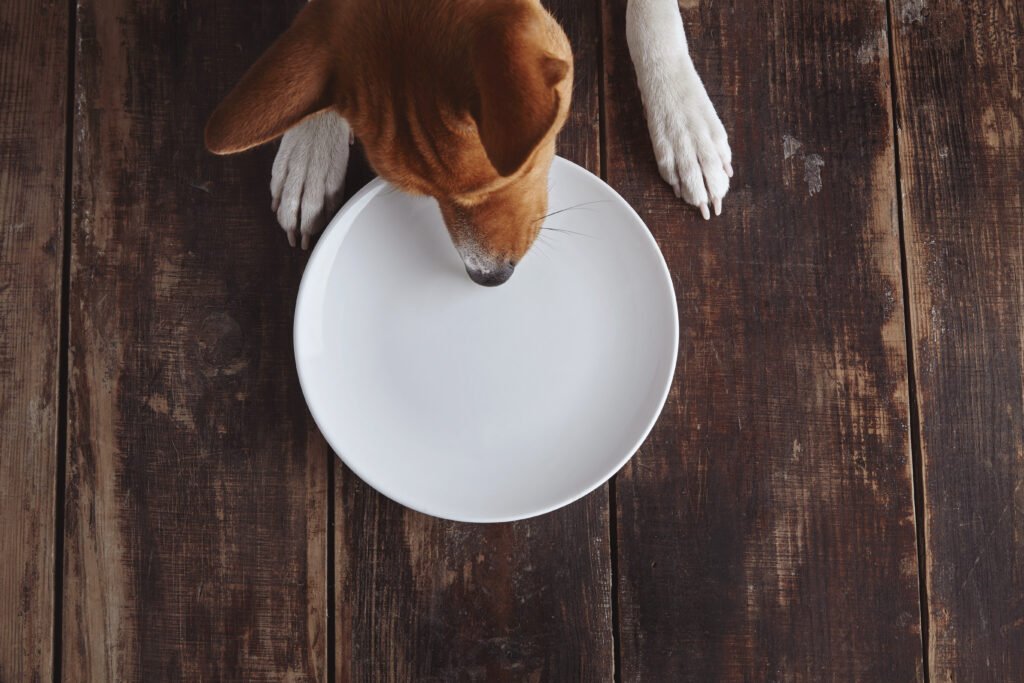
Find out why are dogs eating too fast, what health risks it causes, and the most effective ways to slow them down with vet-approved tips and top-rated products.
Table of Contents
Why Are Dogs Eating Too Fast
If your dog finishes their entire bowl in under a minute, you are not alone. Dogs eating too fast is one of the most common concerns among pet owners, and it rarely has anything to do with how well you are feeding them.
The main reasons behind it
Instinct
Dogs are hardwired to eat fast from competing for food in the wild. That survival behavior does not disappear in domesticated dogs.
Competition
In multi-pet households, the presence of another animal at mealtime triggers that same instinct, even when there is plenty of food for everyone.
Past Experience
Dogs from shelters or unpredictable backgrounds often eat frantically out of anxiety, even long after they are safe and well fed.
Health Conditions
Sudden fast eating in a dog that previously ate normally can signal diabetes, Cushing’s disease, or intestinal parasites, all of which cause excessive hunger.
What Happens When Dogs Gulp Their Food
Dogs eating too fast is not just an inconvenience – it carries real health risks that every owner should be aware of.
Choking is the most immediate risk. Large unchewed pieces of kibble can lodge in the throat, especially in smaller breeds or dogs eating oversized pieces.
Vomiting is extremely common in dogs that bolt their food. The stomach receives more than it can process at once and simply rejects it.
Excess gas and discomfort follows from the large amounts of air swallowed along with the food. This leads to bloating, stomach pain, and visible discomfort after meals.
Bloat, or Gastric Dilatation-Volvulus (GDV), is the most serious consequence. This occurs when the stomach fills rapidly with air and twists on itself, cutting off blood supply to surrounding organs.
Weight gain over time where dogs that eat too quickly cannot register fullness signals fast enough, which leads to overeating and gradual weight gain.
How To Slow Your Dog Down
Feed Smaller More Frequent Meals
Splitting your dog’s daily food into two or three smaller portions instead of one large meal is one of the most effective changes you can make. Dogs that are fed once daily arrive at the bowl extremely hungry, which drives them to eat as fast as possible. More frequent meals remove that urgency entirely. Your dog learns that food comes reliably and there is no need to rush.
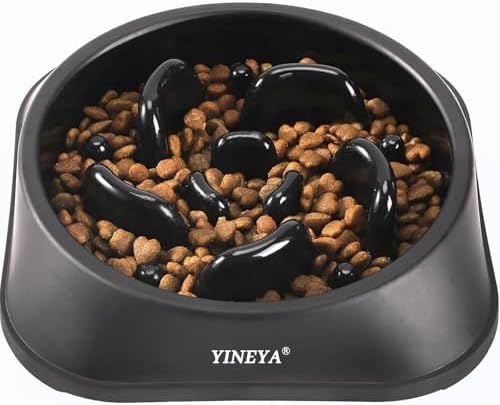
Slow Feeder Bowls
Slow feeder bowls have built-in ridges, mazes, and raised obstacles that physically prevent dogs from gulping large amounts of food at once. Dogs have to work their tongue and snout around the obstacles to reach the kibble, which can extend mealtime from seconds to several minutes. They are one of the most widely recommended tools for dogs that eat too fast and are particularly useful for larger breeds at higher risk of bloat.
Top picks:

Add Water to the Kibble
Adding warm water to dry kibble softens the food and makes it harder to scoop up in large mouthfuls. It also slightly increases the volume of the meal, helping dogs feel fuller faster. Add just enough to float the kibble off the bottom of the bowl. It takes seconds and costs nothing.
Separate Dogs at Mealtimes
If you have more than one pet, feeding them in separate rooms removes the competitive trigger entirely. Most dogs naturally slow down within a few days once the pressure of competition is gone. This is one of the simplest fixes for households where fast eating is driven by the presence of other animals.
Snuffle Mats
A snuffle mat has dense fabric strips woven through a rubber base where you scatter individual pieces of kibble. Your dog uses their nose to sniff out every piece, turning a 30-second meal into a 10 to 15 minute activity. Beyond slowing down eating, snuffle mats engage your dog’s natural foraging instinct and provide genuine mental stimulation at every mealtime.
Top picks:


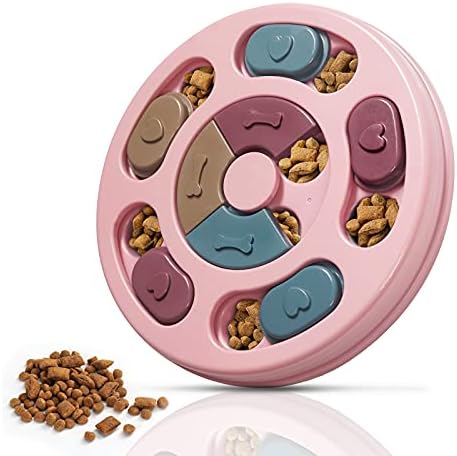
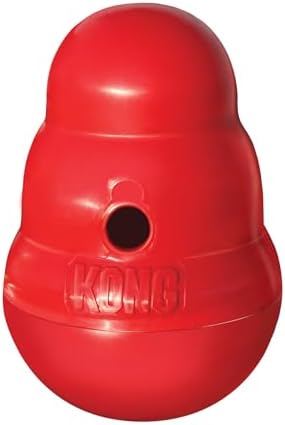
Puzzle Feeders
Puzzle feeders require dogs to slide panels, lift compartments, or spin discs to release individual pieces of kibble. This transforms mealtime into a mental challenge that slows eating while keeping your dog engaged. For dogs that master slow feeder bowls quickly, puzzle feeders offer a more demanding alternative.
Top picks:
Scatter Feeding
Scatter feeding means tossing kibble across a patch of grass or textured surface and letting your dog sniff it out piece by piece. It requires no equipment, costs nothing, and draws on your dog’s strongest instinct. It also doubles as a calming outdoor activity and is particularly effective for anxious or high-energy dogs
When To See a Vet
If your dog has always eaten quickly, the strategies above are likely all you need. But if fast eating is a new or sudden behavior, it is worth speaking to a vet. A dog that has started gulping food recently — especially alongside weight loss, excessive thirst, lethargy, or a swollen abdomen — may have an underlying health condition that needs addressing first.
Extra Tips
Stick to consistent mealtimes
Routine reduces food anxiety. A dog that knows exactly when their next meal is coming has no reason to panic-eat.
Monitor portion sizes
Hunger drives urgency. Make sure your dog is receiving the right amount for their age, size, and activity level. Your vet can confirm the correct portion.
Avoid feeding after stressful situations
Dogs that are overstimulated or just back from vigorous play eat more frantically. Let them settle fully before mealtimes.

Dogs eating too fast is more than a harmless quirk, it is a habit that carries genuine health risks, from everyday vomiting and discomfort to serious conditions like bloat. The encouraging thing is that it is almost always fixable with a few simple changes.
Start with the free strategies first- smaller meals, added water, separation at mealtimes. Then add a slow feeder bowl or snuffle mat if you need more support. Most dogs respond quickly once the right approach is in place.
For more honest and practical pet care guides, browse all articles on Pet Life Daily and find what works best for you and your pet.
YOU MIGHT ALSO LIKE THESE ARTICLES: